Kpop star fashion brand deals how idol fashion drives brand
"K-pop is a fusion of synthesized music, sharp dance routines, and fashionable, colorful outfits."
The intersection of music and style creates a unique commercial engine where K-pop star fashion brand deals become a global standard. This phenomenon occurs because the visual identity is inseparable from the musical genre, driving intense consumer interest.
This article explores how idol style brand influence shapes the industry, the mechanics of star style brand collaborations, and the potential risks of brand partnerships with Kpop idols.
How does the visual definition of K-pop drive brand interest?
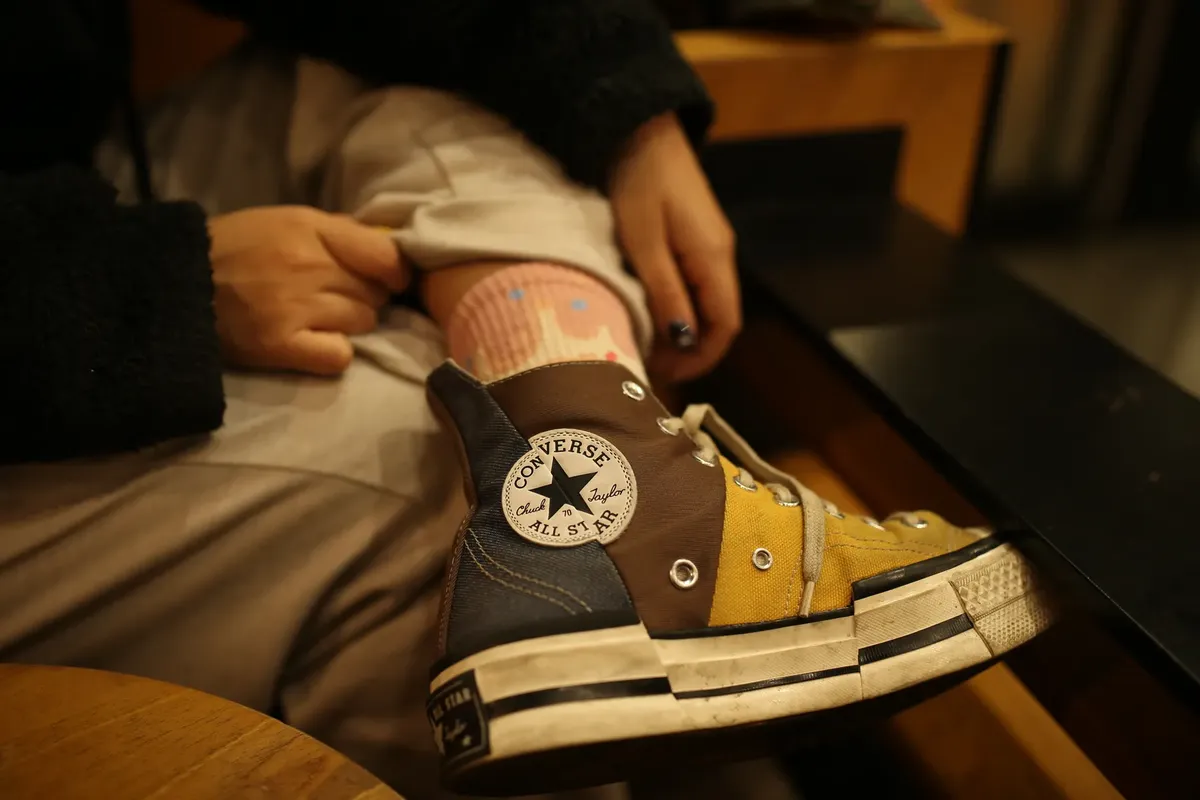
Walking through a crowded music festival, one notices how the performers' vibrant aesthetics catch the eye before the first beat even drops. This visual impact is central to the genre's identity.
According to the YouTube Data API, verified artist data includes K-pop star fashion trend brand collaborations such as Spotify: Leellamarz.
According to the Institut national de l'audiovisuel defines K-pop, the genre is characterized as a "fusion of synthesized music, sharp dance routines and fashionable, colorful outfits."
According to the French Institut national de l'audiovisuel, K-pop is defined as a fusion of synthesized music, sharp dance routines, and fashionable, colorful outfits.
Because the music is built on this fusion, the clothing becomes a vital part of the storytelling. This makes K-pop star fashion brand deals more than just simple endorsements; they are extensions of the performance itself.
When an artist wears a specific look on stage, it reinforces the genre's multifaceted nature, making the style as memorable as the melody.
The cohesive aesthetic of a group creates a distinct visual identity that serves as a ready-made concept for luxury houses.
What role does market growth play in K-pop fashion trends impact?
Observing the rapid expansion of music retail and digital streaming, the sheer scale of the industry becomes apparent. The massive movement of capital and fans provides a fertile ground for global brands to seek visibility.
In one notable period, South Korea's music market reached a record 44.8%, making it the year's fastest-growing major market.
This rapid growth ensures that any K-pop fashion trends impact is felt globally and almost instantly. As the market expands, the demand for the specific aesthetics seen in music videos and live shows rises proportionally.
Brands look to these growing markets to secure a foothold in a demographic that is highly engaged with visual trends.
As the global audience expands, the influence of K-pop trends scales alongside the increasing purchasing power of international fans.
Why are star style brand collaborations so effective?
A fan holds a smartphone, scrolling through social media to find the exact outfit worn by their favorite idol during a recent performance. This seamless transition from screen to shopping is the core of modern influence.
This level of engagement is why star style brand collaborations have become a staple of the global fashion industry.

The effectiveness lies in the deep emotional connection between the fan and the artist. Unlike traditional celebrity endorsements, these partnerships feel like a shared lifestyle.
When an idol adopts a brand, they are not just selling a product; they are integrating that brand into the visual narrative of their music and dance routines.
- The idol's personal style creates an immediate emotional connection with fans.
- High-visibility social media presence ensures rapid trend dissemination.
- The crossover between music and fashion provides a multi-sensory brand experience.
What are the risks involved in brand partnerships with Kpop idols?
A manager reviews a news report regarding a celebrity's recent social media post, considering the potential fallout for their business partners. The relationship between an artist's public image and brand stability is delicate.
This is why brand partnerships with Kpop idols require careful management of public perception.
The influence of an idol is a powerful tool, but it is also a liability if the artist's reputation shifts.
For example, Kwon Joon-won, an entertainment management professor at the Dong-ah Institute of Media and Arts, mentioned that K-pop stars should be expected to lose half of their fandom if they were to make controversial statements. Such a shift can immediately devalue a brand's investment.
In this sequence, the second point is the most significant.
How do we measure the success of these style-driven deals?
An analyst compares the sales data of a luxury house before and after a major idol becomes a global ambassador. The results often show a significant spike in brand awareness and consumer interest. Understanding the history of market fluctuations helps put these shifts in perspective.
Historical data shows how market shares can shift over time, such as when a metric fluctuated between 30% in 2000, 18% in 2005, and 44% in 2010. These fluctuations demonstrate how much a market can change over a decade.
In the modern era, the ability of an idol to move these numbers is a primary driver for brand interest.
Success is evaluated through social media engagement metrics, sell-out rates of capsule collections, and shifts in brand sentiment.
How can brands manage these high-stakes collaborations?
A brand executive sits in a boardroom, weighing the pros and cons of a new partnership with a rising star. To navigate this, companies often follow a strategic approach to minimize risk while maximizing visibility.
- Align the artist's unique visual identity with the brand's core aesthetic to ensure authenticity. 2. Monitor social media sentiment to gauge how the fandom is reacting to the partnership in real-time. 3. Develop a diverse range of promotional content that utilizes the artist's dance and music-driven energy.
A final check involves reviewing the artist's long-term trajectory to ensure the partnership remains stable. I once saw a brand struggle because they ignored the volatility of fan sentiment.
Brands must maintain a balance between the idol's unique persona and the established brand heritage to ensure authenticity.
Related
- Why does K-POP fashion brand collabs drive global trends?
- Kpop star fashion trends: How to guide personal style
What happens when the visual identity clashes with brand messaging? When the fashionable, colorful outfits worn by an idol contradict the established values of a partner brand, consumer trust erodes quickly. The visual identity, which is inseparable from the musical genre, suddenly presents a dissonance that the audience perceives. This clash undermines the perceived authenticity that makes star style brand deals so effective.
This contradiction can cause the intense consumer interest previously generated by the fusion of synthesized music and sharp dance routines to dissipate. Fans, who connect deeply with the artist's narrative, may view the partnership as inauthentic, leading to negative social media sentiment.
Such a reaction directly impacts the brand's exposure within the highly engaged demographic.
Brands must carefully align the artist's unique visual identity with their core aesthetic to prevent this misalignment. Ignoring the delicate relationship between an artist's public image and brand stability invites significant risk into the collaboration structure.






Comments 0