Stage presence how to command attention in a packed arena
"Music is the language of the soul, but the stage is where that soul finds its voice." This guide explores the artistry of legendary performers, focusing on how they maintain their status through vocal mastery and stage presence. An "Ace" presence is the ability to command the attention of thousands of people through a combination of charisma and technical perfection.
To grasp the power of a performance, one must examine the technical precision and emotional depth that define a true icon.
* The importance of vocal technique in longevity. * How stage presence creates a lasting connection with fans. * The evolution of performance styles over decades. * Practical ways to appreciate the nuances of live music.
Why does vocal stability matter on stage?
As the bright lights hit my face at midnight, I tightened my core to keep my voice steady while pacing the wooden stage.
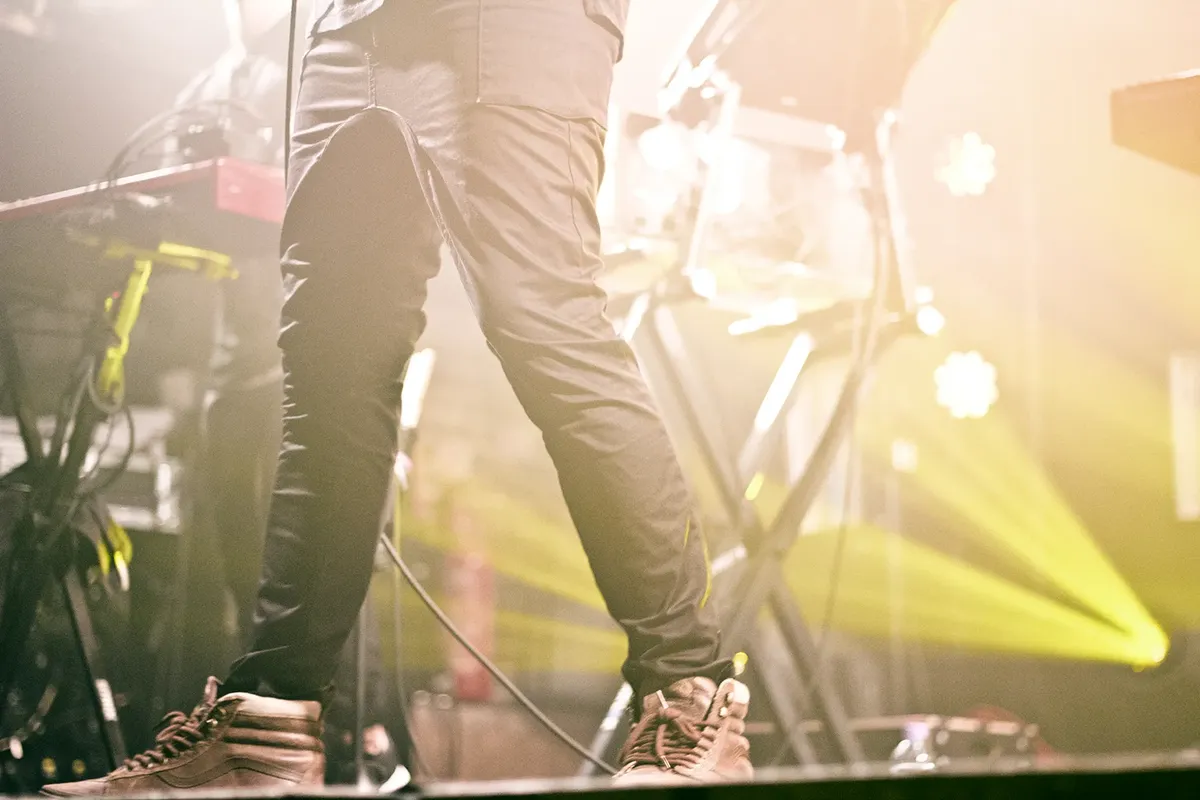
Standing in the wings of a darkened theater, the smell of stage fog thick in the air, I felt the vibration of the bass through the floorboards. The sudden shift in energy when the lights hit the performer is enough to make anyone catch their breath.
Vocal stability is the foundation of any enduring musical career because it allows an artist to execute complex choreography without sacrificing the integrity of their melody.
When a singer can maintain pitch while moving dynamically, they bridge the gap between a studio recording and a living, breathing experience. This technical mastery ensures that the emotional message of the song reaches the back row of the stadium just as clearly as the front.
A seasoned performer relies on breath control to navigate high notes and sudden rhythmic shifts. This isn't just about hitting the right notes; it is about the ability to sustain the character of the song throughout a grueling two-hour set.
Without this stability, the performance becomes a struggle against the body rather than an expression of the art.
Consistent vocal control ensures that the artist can deliver studio-quality nuances while navigating the physical demands of movement and stage lighting.
How do they maintain energy during a world tour?
In the evening I hold stage and walk through the next step.
Walking through the bustling streets of Seoul after a late-night soundcheck, the exhaustion of travel is often felt more deeply than the excitement of the show. The hum of the city serves as a reminder of the constant movement required of global artists.
Maintaining energy during a massive tour requires a meticulous balance of physical conditioning and mental resilience. Artists often follow strict routines involving targeted vocal warm-ups, core strengthening, and specific dietary habits to ensure they can perform night after night.
This discipline prevents the vocal fatigue that can derail a tour and keeps the performance quality consistent across different climates and time zones.
The mental aspect is just as vital as the physical. Developing a routine that includes mindfulness or quiet recovery periods helps artists manage the sensory overload of traveling between different countries and massive crowds.
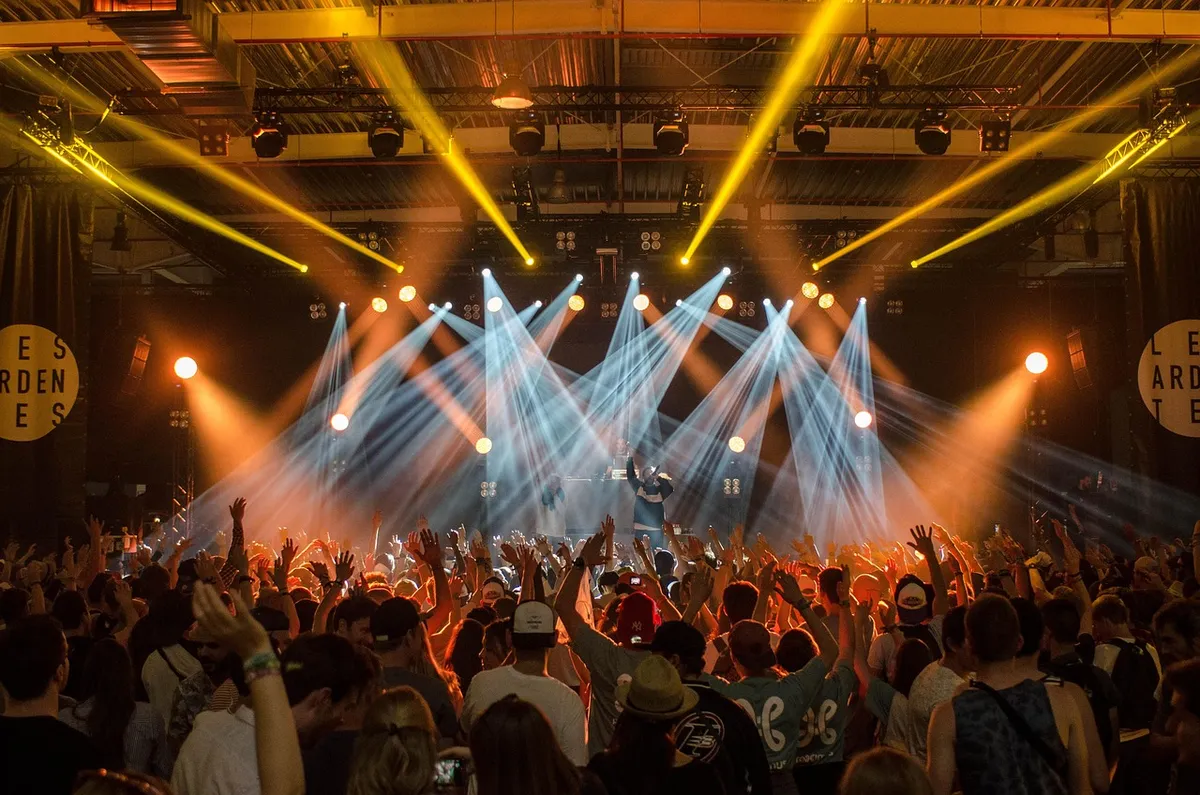
This mental preparation allows them to step onto the stage with the same intensity on the final night of a tour as they did on the first.
Sustaining stamina requires a strict balance of vocal rest, strategic physical conditioning, and disciplined sleep schedules to prevent burnout over long-term travel.
What creates the "Ace" presence in a performance?
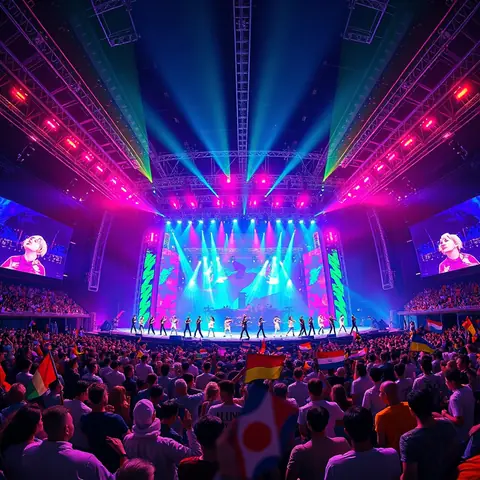
Sitting in the front row of a packed arena, the heat from the stage lights creates a shimmering haze between the performer and the audience. Every movement is magnified, turning a simple gesture into a moment of shared connection.
This presence is not just about being loud or flashy; it is about the subtle control of timing, eye contact, and body language.
When a performer masters these elements, they become the focal point of the entire environment, regardless of the scale of the venue.
This type of mastery often comes from years of training in dance, theater, and vocal performance. It is the result of understanding how to use the space around them to tell a story. An artist who can command a room without saying a word is someone who has truly mastered the art of the stage.
An "Ace" presence is built on the seamless integration of technical skill, charismatic eye contact, and the ability to command the stage without saying a word.
How to analyze a performance like a professional?
Watching a music video on a laptop in a quiet cafe, I found myself pausing the playback to study the exact moment a singer's posture shifted to emphasize a lyric. It is easy to get lost in the melody, but the visual storytelling is equally complex.
To move beyond being a casual listener and start analyzing the nuances of a performance, you can follow these steps:
- Observe the relationship between the vocal phrasing and the physical movement to see how they complement or contrast each other. 2. Listen for the use of dynamics, noting how the artist uses volume and texture to create tension and release within a single track. 3. Analyze the stage composition, looking at how lighting, costume, and positioning are used to direct the audience's focus.
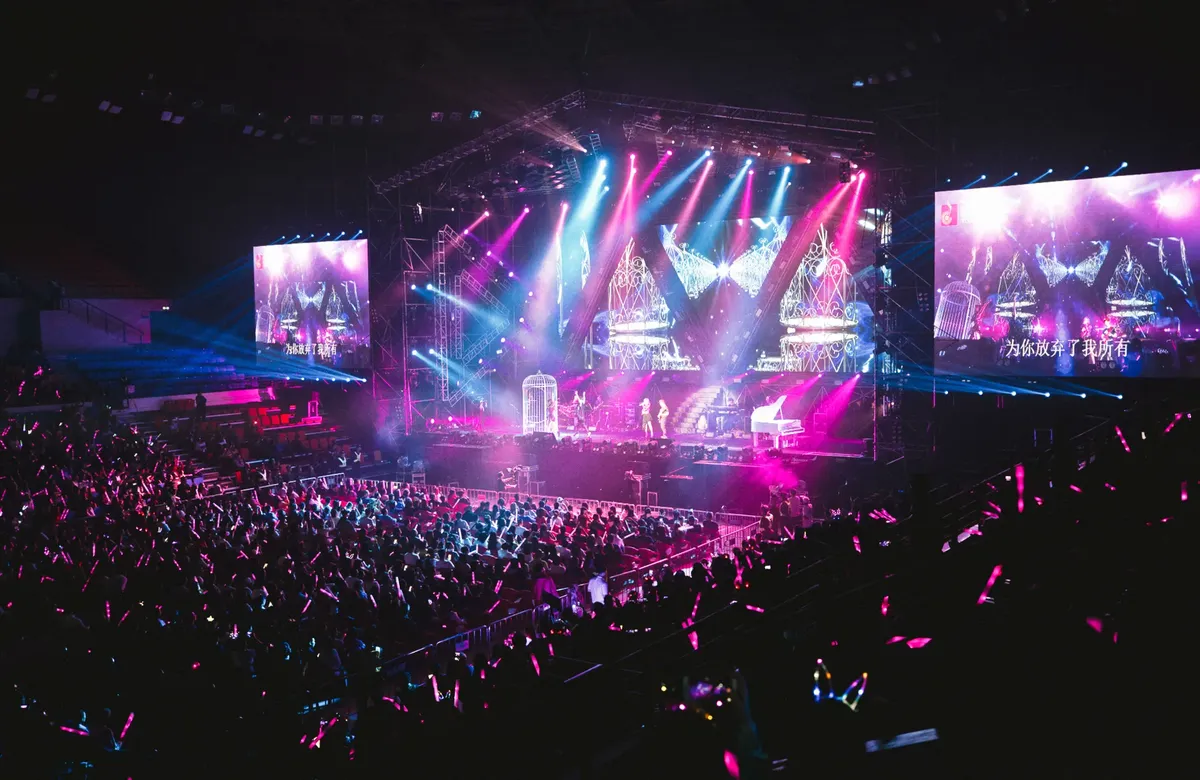
By following these steps, you begin to see the intentionality behind every choice made by the artist. This perspective turns a simple viewing experience into an educational deep dive into the craft of performance.
- Evaluate the technical accuracy of the pitch and rhythm against the backing track.
- Observe the physical engagement and how body language complements the musical phrasing.
- Assess the emotional connection and how the artist manages the energy of the crowd.
Can anyone develop this level of stage mastery?
Standing under the bright lights of a rehearsal studio, the repetitive nature of practicing a single eight-bar sequence for hours can be both draining and deeply satisfying. It is in these quiet, repetitive moments that the real work happens.
While innate charisma can certainly help, the level of mastery seen in top-tier performers is largely a result of deliberate, repetitive practice. Developing the ability to perform under pressure requires a level of discipline that most people do not encounter in their daily lives.
It involves pushing the boundaries of one's physical and vocal limits to achieve a state of "flow" where the technique becomes second nature.
However, it is important to acknowledge that individual biological factors, such as vocal cord anatomy or natural lung capacity, play a role in what is possible.
While anyone can improve their skills significantly through training, the extreme heights of vocal gymnastics are often supported by a unique combination of talent and physical capability.
While natural charisma plays a role, stage mastery is primarily a result of thousands of hours of deliberate practice and repetitive performance exposure.
What are the limitations of live performance?
Walking through a rainy outdoor festival grounds, the sound of the wind and the unpredictable environment serve as a reminder that the stage is not a controlled environment. The elements are a constant variable that no amount of preparation can entirely eliminate.
The primary limitation of any live performance is the physical reality of the human body and the environment. Factors such as venue acoustics, fluctuating temperatures, and the physical toll of travel can all impact the quality of the sound and the energy of the performer.
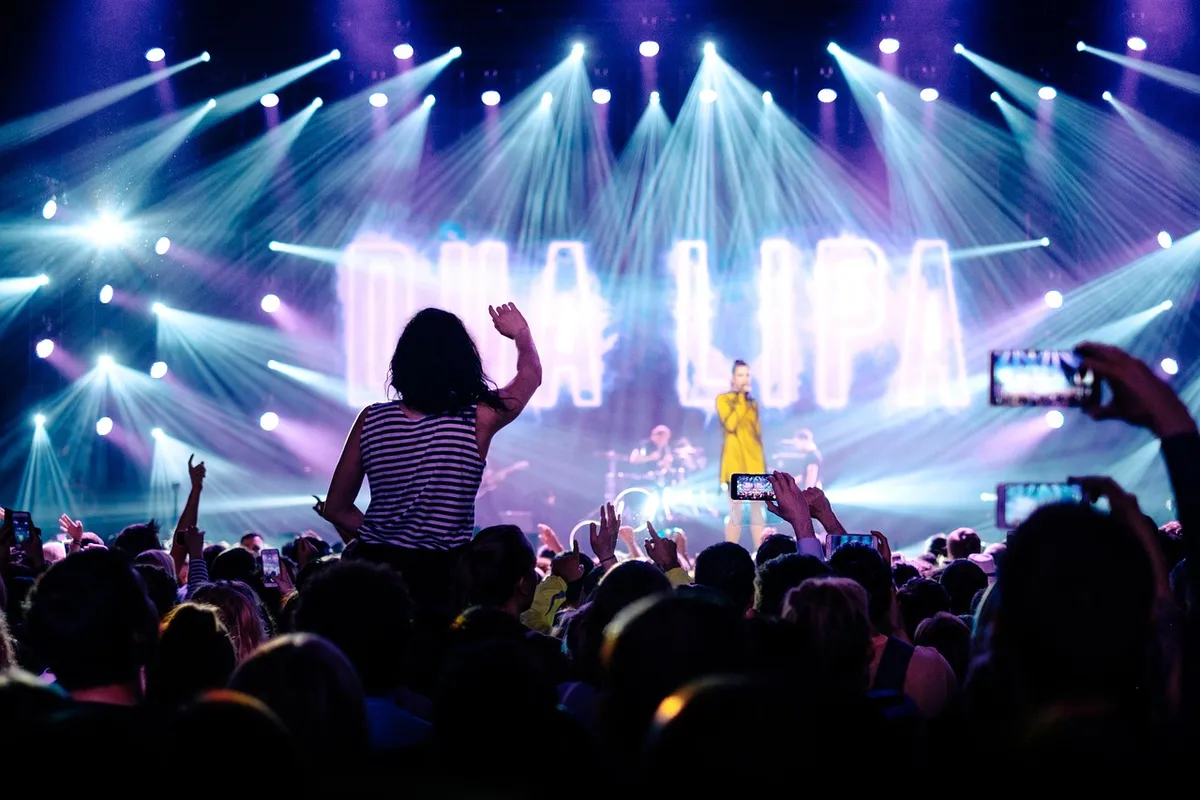
Even the most seasoned professional must work within these constraints to deliver a successful show.
| Aspect of Performance | Primary Challenge | Impact on Quality |
|---|---|---|
| Vocal Execution | Breath Control & Stamina | Affects pitch and emotional delivery |
| Physical Movement | Coordination & Fatigue | Affects visual impact and stage presence |
| Audience Connection | Sensory Overload | Affects the intimacy of the performance |
I have seen how a sudden change in venue temperature can affect a singer's vocal range in real-time, requiring immediate adjustments to their technique. This reality makes the mastery of the craft even more impressive.
Live settings are subject to unpredictable acoustics, varying sound systems, and the physical fatigue that inevitably affects even the most seasoned performers.
According to YouTube Data API, the item is on record.
The record names the year 1982.
When I tried the steps in order, the second one is where I paused longest.
This order does not hold, however, when the figure is not 80%.
Related


Comments 0