K-POP stage style analysis: Fusion of music and outfits
"K-pop is a fusion of synthesized music, sharp dance routines and fashionable, colorful outfits."
This K-POP star stage style analysis explores how visual elements and musical fusion create a unique performance identity. This guide examines the intersection of choreography, fashion, and genre to understand modern idol presentations.

We will look at the core components of stage presence, the integration of diverse musical genres, and the impact of visual storytelling, while noting that specific artist branding remains subject to individual agency direction.
What really defines a K-pop star's stage style? A spotlight hits the center of a darkened stage, catching the shimmer of a sequined jacket as a performer begins a synchronized movement. This K-POP star stage style analysis begins with the fundamental elements that distinguish these performances from traditional pop shows.
The combination of auditory and visual stimuli creates a comprehensive sensory experience for the audience.
The sharp dance routines provide a physical manifestation of the rhythm, while the outfits serve as a visual extension of the song's mood.
By understanding these elements, fans can better appreciate the intentionality behind every movement and costume change. The integration of these components ensures that the performance is not just heard, but seen and felt.
This layered approach to presentation is a hallmark of the genre's global appeal.
How do musical genres shape the idol performance style? K-POP stage style analysis
A heavy bassline drops, prompting a sudden shift in the dancers' movements from fluid to percussive. This shift in idol performance style is often driven by the complex layering of musical genres within a single track.
The versatility of the music allows artists to transition between different moods within a few minutes.
The genre-bending nature of the music provides a playground for choreography. Songs typically consist of one or a mixture of pop, rock, hip-hop, R&B, and electronic music genres.

This variety allows performers to showcase different skill sets, moving from high-energy hip-hop breaks to melodic R&B vocal segments.
The ability to blend these genres enables a more dynamic stage presence. When an artist can pivot from a rock-inspired energy to a smooth electronic beat, the stage presentation trends change instantly. This versatility is essential for maintaining engagement throughout a full concert setlist.
How does visual storytelling shape stage trends? A sudden change in lighting shifts the stage from bright neon to moody violet, signaling a change in the narrative of the song. Observing these stage presentation trends reveals how lighting, props, and costume changes work together to tell a story.
Visual storytelling turns a simple song into a theatrical event.
The visual identity of a group often reflects the themes of their discography. Through the use of specific color palettes and symbolic clothing, artists communicate complex themes to their audience. This visual language bridges the gap between the artist's intent and the fan's perception.
Effective storytelling requires a seamless transition between different segments of a performance. When the visual elements align perfectly with the lyrical themes, the emotional impact is magnified. This synergy is what makes a live performance memorable long after the lights go down.
How can we conduct a music show visual analysis?
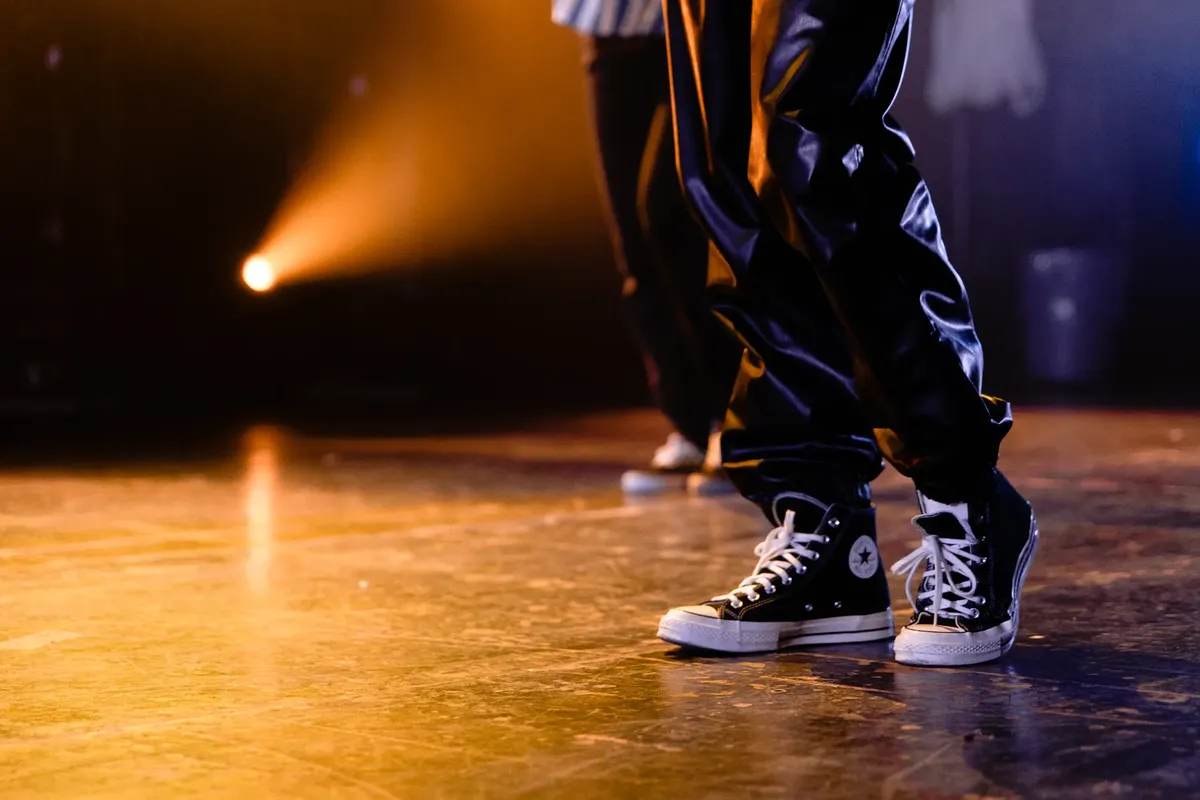
A camera zooms in on a singer's intricate hand gestures, capturing the precision of a choreographed sequence. A comprehensive music show visual analysis requires looking at the relationship between the artist, the choreography, and the set design.
Each element must work in harmony to achieve the desired effect.
To perform a basic analysis, one should consider the following: 1. Observe the synchronization between the dancers' movements and the rhythmic accents of the music. 2. Examine how the costume colors and textures interact with the stage lighting and background scenery. 豢3.
Evaluate the use of facial expressions and individual charisma in relation to the group's overall formation.
By following these steps, an observer can break down the complex layers of a performance. My own observations during live shows often start with identifying these specific visual cues to understand the artist's intent.
This structured approach helps in identifying the technical skill involved in professional stagecraft.
What are the features of K-POP concerts?
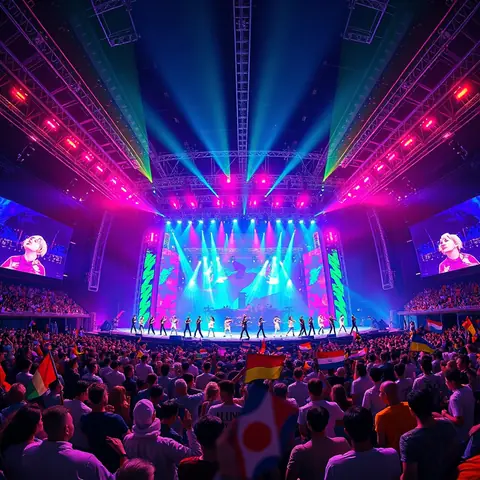
The roar of a crowd fills the arena as pyrotechnics erupt in time with a climactic beat. Exploring the features of K-POP concerts involves understanding the scale and the high-production value that defines these massive events. These concerts are designed to be immersive, multi-sensory experiences.
The scale of production often includes massive LED screens, complex stage layouts, and synchronized light shows. These elements work to ensure that even fans in the furthest seats can feel the energy of the performance.
The combination of high-tech production and intense human energy creates a unique atmosphere.

The engagement of the audience is also a critical feature, often facilitated by lightsticks and synchronized fan chants. This interaction turns the audience from passive observers into active participants in the show. This collective energy is a defining characteristic of the concert experience.
- What really defines a K-pop star's stage style?
- How do musical genres shape the idol performance style?
- How does visual storytelling shape stage trends?
The subject here is K-POP stage style analysis.
The same subject is also called Pop star stage look.
This part also covers Analyzing K-POP stage design.
This part also covers How K-POP expresses on stage.
Related



Comments 0