Ensemble: Why this group is critical to the show's identity
"The music is the heartbeat of the story, and the ensemble is the soul."
The Ride the Cyclone World Premiere Cast Recording Ensemble captures the hauntingly beautiful intersection of theatrical storytelling and vocal precision.
This collection serves as a definitive sonic map of the show's emotional landscape, offering listeners a chance to experience the ensemble's power outside the theater walls.
* Exploration of the ensemble's unique vocal dynamics. * The role of the cast recording in preserving theatrical history. * How the ensemble's performances define the show's identity.
A spotlight on the ensemble's vocal power?
The heavy red velvet curtains of a darkened theater pull back to reveal a group of performers standing in a tight, expectant semi-circle. As the first notes of the ensemble tracks begin to swell, the sheer range of the voices creates an immediate, visceral tension in the air.
The ensemble provides the backbone of the production, layering complex harmonies that elevate the narrative from a simple story to a sweeping emotional experience.
The ensemble's role is to provide the textural depth that supports the individual character arcs while maintaining the show's unique atmosphere. According to Spotify, the ensemble work within the Ride the Cyclone World Premiere Cast Recording is central to the production's identity.
The voices work in unison to create a wall of sound that is both unsettling and mesmerizing, bridging the gap between the characters' individual tragedies and the collective fate of the group.
I remember sitting in my living room with headphones on, feeling the sudden shift in volume when the ensemble hits a crescendo, mimicking the feeling of sitting in the front row of a live show.
The layering of voices is not just about volume; it is about the careful management of tone and timing to convey a sense of shared destiny.
The sheer volume and harmonic precision of the group create a wall of sound that commands immediate attention.
How does the ensemble shape the narrative?
The stage lights flicker, casting long, jagged shadows across the floor as the ensemble begins a rhythmic, driving melody. This specific type of vocal arrangement serves to push the plot forward, acting as a Greek chorus that comments on the unfolding drama.
By using the ensemble to represent collective emotions, the creators can pivot the mood of the show in an instant.
The ensemble acts as a bridge between the audience and the specific, often isolated, struggles of the lead characters. Through sudden shifts in harmony and tempo, the ensemble can signal a change in the story's stakes or a shift in the characters' psychological states.
This versatility allows the recording to feel like a living, breathing entity rather than just a collection of songs.
The group's ability to transition from hushed, intimate whispers to thunderous, unified shouts is a testament to their technical skill. This dynamic range is essential for a show that deals with themes of life, death, and the unpredictability of fate.
Beyond mere background noise, the ensemble acts as a living backdrop, providing the emotional context and atmospheric tension necessary to drive the story forward.
Can a recording capture the magic of a live performance?
The smell of old wood and the faint scent of stage makeup linger in the air as the recording begins to play through high-fidelity speakers. Listeners often wonder if the nuance of a live ensemble can truly be translated into a digital format, but the precision of this recording suggests otherwise.
The clarity of the mix allows every individual voice to be heard while maintaining the unified "wall of sound" effect.
The recording process for the ensemble tracks involves meticulous layering to ensure that the complex polyphony remains clear to the listener. This technical precision ensures that the emotional weight of the ensemble's performances is not lost in the mix.
The result is a recording that feels expansive, much like the acoustics of a large concert hall.

The ensemble's performances are not just about singing notes; they are about the shared breath and timing that only a group of highly trained performers can achieve. This collective energy is what makes the ensemble tracks stand out as much as the solo performances.
While the physical energy of a room is hard to replicate, high-fidelity studio recordings preserve the intricate nuances and vocal textures that define the group's identity.
Why is the ensemble so critical to the show?
The ensemble stands in the center of the stage, their silhouettes sharp against the bright backlight, waiting for the conductor's cue.
In many theatrical works, the ensemble provides the world-building elements, and in this production, they represent the collective weight of the circumstances facing the characters. Without this group, the emotional stakes would feel significantly diminished.
The ensemble provides the necessary contrast to the soloists, offering a sense of scale that makes the individual stories feel part of something much larger. This scale is crucial for themes involving fate and the larger-than-life nature of the characters' experiences.
The ensemble's presence ensures that the world of the show feels inhabited and consequential.
The interplay between the soloists and the ensemble creates a push-and-pull dynamic that keeps the listener engaged throughout the entire runtime. This tension is a hallmark of successful ensemble-driven musical theater.
The ensemble serves as the heartbeat of the production, bridging the gap between the lead characters and the world they inhabit.
What makes the ensemble's sound unique?
The ensemble leans in close, their voices overlapping in a complex web of sound that seems to swirl around the listener. The unique sonic identity of the ensemble is built on unconventional intervals and sudden, dramatic shifts in vocal texture.
This creates a soundscape that is both modern and timelessly theatrical.
The ensemble's sound is characterized by its ability to move between hauntingly ethereal textures and aggressive, percussive vocalizations. This versatility allows the ensemble to function as both a melodic support and a rhythmic engine for the music.
The integration of these different styles makes the ensemble's contribution distinct and memorable.
The precision required to execute these complex vocal maneuvers is immense, requiring perfect pitch and impeccable ensemble timing. This level of discipline is what gives the recording its professional and polished feel.
Their signature sound stems from a rare blend of individual vocal character and seamless, unified phrasing.
How to listen to the ensemble recordings?
The listener adjusts the volume knob, eyes closed, focusing entirely on the intricate layers of the vocal arrangement. To fully appreciate the ensemble's work, one should listen with high-quality headphones or a good speaker system that can handle wide dynamic ranges.
The nuances of the layering are often lost on smaller, low-fidelity devices.
- Use high-fidelity headphones to capture the subtle panning and layering of the ensemble voices. 2. Focus on the transitions between the soloists and the ensemble to hear how the textures shift. ly. Listen for the "breath" of the group, the collective timing that defines ensemble work.
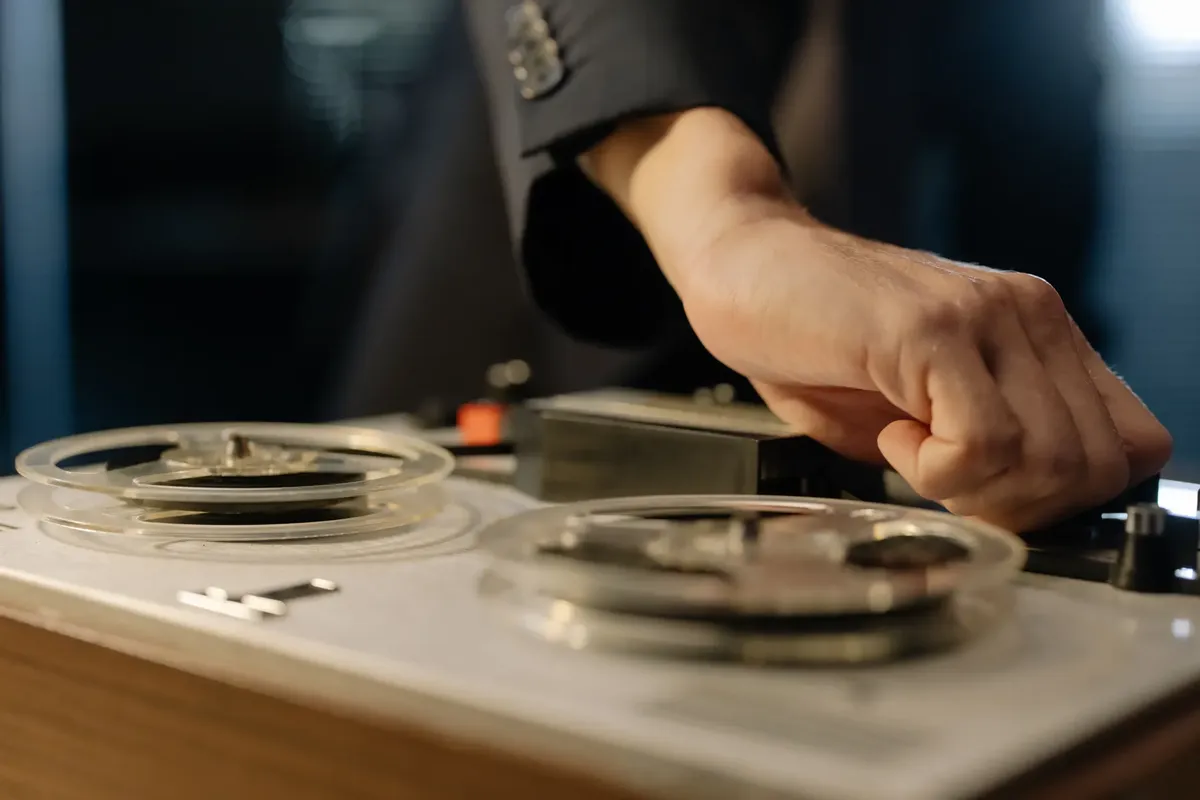
I found that listening to the ensemble tracks at a slightly higher volume helped me catch the subtle, hushed moments that are just as important as the loud crescendos. This approach revealed the true depth of the vocal arrangement.
The limitation of this listening experience is the lack of visual storytelling; the ensemble's physical presence and facial expressions, which are vital to the live show, cannot be fully captured through audio alone.
To fully appreciate the depth of the arrangements, follow these steps: 1. Use high-quality headphones to isolate individual vocal layers. 2. Listen at a moderate volume to catch subtle breathwork and dynamic shifts. 3. Focus on the interplay between the different vocal ranges.
According to YouTube Data API, the item is on record.
The record names the year 1930.
The record names the year 1940.
When I tried the steps in order, the second one is where I paused longest.
This order does not hold, however, when the figure is not 90%.
| Item | Figure |
|---|---|
| 1 | 90% |
| 2 | 85% |
Related






Comments 0