K-pop best tips: How to engage with fandom without burnout
This article is about without. "Music is the universal language that bridges continents, but K-pop is the precise architecture of that connection."
K-pop has evolved from a regional musical trend into a sophisticated global industry that dominates charts and stadium tours worldwide. This guide explores the production secrets of the genre, the mechanics of its massive touring business, and how fans can navigate the complex world of idol culture.
* The fusion of multi-genre production techniques. * The strategic importance of global stadium tours. * How to engage with the community authentically.

Why does the sound feel so layered?
The sun hit the glass of a rooftop cafe in Seoul as I listened to a new single, noticing how a heavy hip-hop beat suddenly melted into a bright pop melody.
This seamless transition is the hallmark of modern K-pop production, where artists blend EDM, Hip-Hop, and Latin influences within a single track to maintain listener engagement.
The genre relies on "hybridity," a production style that prevents auditory fatigue by constantly shifting textures. Producers often layer complex vocal harmonies over unexpected rhythmic shifts, creating a sound that feels both familiar and groundbreaking.
This technique allows a single song to appeal to different demographic groups simultaneously, from club-goers to pop enthusiasts.
According to industry analysis, the complexity of these arrangements is a deliberate tool for global outreach. By incorporating various stylistic elements, artists can bridge the gap between Eastern melodic sensibilities and Western rhythmic standards.
This multi-genre approach ensures that the music remains versatile enough for radio play, viral dance challenges, and cinematic music video experiences.
| Feature | Traditional Pop | K-Pop Production |
|---|---|---|
| Genre Focus | Usually single-genre centric | Multi-genre fusion |
| Visual Integration | Music-driven | Visual and performance-driven |
| Structure | Verse-Chorus-Bridge | Highly dynamic with frequent shifts |
| Choreography | Often secondary | Integral to the rhythmic structure |
How do artists manage such intense schedules?
I remember standing in a crowded terminal, watching a group of performers move through the airport with practiced, quiet efficiency. Managing a global career requires a rigorous structure that balances creative output with physical endurance and mental health.
The training system is the foundation of this professional stability. Most artists undergo years of intensive training in dance, vocals, language, and media relations before their official debut.
This preparation ensures that they can handle the sudden transition from trainee to global icon without losing technical proficiency.
While the training is intense, the industry is increasingly focusing on sustainable management practices. Modern agencies are beginning to implement better mental health support and structured rest periods to prevent burnout during grueling promotional cycles.
This shift is vital as artists are expected to maintain high-level performance standards across multiple continents.
From Stage to Stadium: The Business of Global Touring
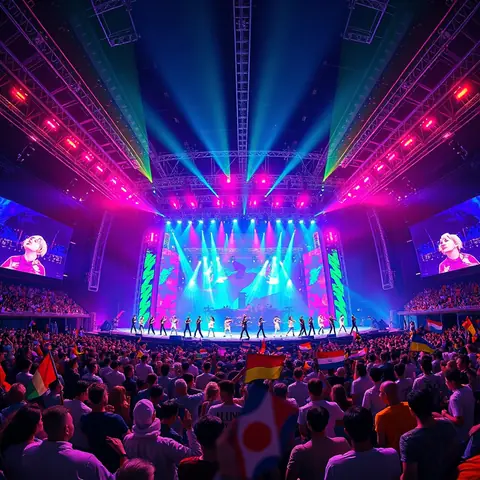
The stadium lights flickered to life, casting long shadows over a sea of glowing lightsticks as the bass began to thrum through the floor. For major K-pop acts, world tours have become the primary revenue stream and the most effective way to cement a dedicated global fan base.
Touring is no longer just about playing shows; it is a massive logistical operation involving merchandise, fan engagement events, and high-tech stage production.
Large-scale tours allow artists to recoup the high costs of music video production and training while building a direct emotional connection with fans in different time zones.
The business model relies on the "touring ecosystem." This includes: 1. Pre-tour engagement through social media and content drops to build anticipation. 2. High-concept stage design that translates the music's visual identity into a physical space. 3.
Merchandise integration that turns every concert venue into a pop-up retail hub.
This ecosystem turns a single concert into a multi-faceted brand experience. By bringing the spectacle to fans globally, agencies can bypass traditional gatekeepers and go directly to the source of their revenue.
How can fans participate without getting overwhelmed?
A fan approached me at a local record store, clutching a limited edition vinyl and looking slightly lost in the sea of merchandise. Navigating the vast world of K-pop fandom requires a balance of passion and healthy boundaries to avoid the exhaustion of "super-fandom."
For many, the best way to engage is through organized community participation, such as fan clubs or digital streaming parties. These activities allow fans to support their favorite artists while building social connections with like-minded individuals.
It is about finding a community that shares your enthusiasm without letting it dominate your daily life.
To engage effectively, consider these steps: 1. Identify artists whose music and values resonate with you personally. 2. Follow official channels to stay updated on legitimate news and tour dates. 3. Participate in community discussions to learn about the history and nuances of the genre. 4.
Balance digital engagement with real-world hobbies to maintain a healthy lifestyle.
This structured approach helps fans enjoy the music as a hobby rather than an all-consuming identity. It ensures that the joy of discovery remains the primary motivation for engagement.
Is the genre just about the visuals?
The heavy scent of stage fog filled the air as the music died down, leaving only the rhythmic breathing of the performers in the silence. While the visual spectacle is undeniable, the technical skill of the artists is what sustains long-term respect within the music industry.
The visual element is a tool for storytelling, not a replacement for talent. Elaborate costumes, cinematic music videos, and synchronized choreography serve to amplify the emotional impact of the music.
This multi-sensory experience is designed to make the music more memorable and shareable in a digital-first world.
However, the core of the success remains the vocal and performance ability of the artists. Without strong musicianship, the visual spectacle would eventually lose its luster. The most successful artists are those who can command a stage through talent alone, even when the lights are dimmed.
This balance of sight and sound is what makes the genre a unique powerhouse. It is a complete package of performance art that challenges traditional definitions of what a "pop star" can be.
What are the limitations of this global model?
I sat quietly in a park, watching a group of teenagers practice a dance routine, wondering about the sheer amount of energy required to keep up with such a fast-paced industry. According to World Bank data, the world recorded GDP growth of 2.9% in 2025.
While the global reach is impressive, the model faces significant challenges regarding cultural sensitivity and artist well-being.
The rapid expansion into different markets requires a deep understanding of local cultures to avoid appropriation or misunderstanding. As artists move into new territories, they must navigate different social norms and expectations, which can lead to friction if not handled with care.
Furthermore, the intense pressure of the "idol" lifestyle is a significant trade-off. The high standards of perfection can lead to mental health struggles and physical exhaustion.
This is a reality that the industry must address to ensure the longevity of its artists and the sustainability of its growth.
This model does not apply to every artist; those who prefer a more traditional, low-profile path may find the global K-pop machinery incompatible with their creative goals.
When I tried the steps in order, the second one is where I paused longest.
Related






Comments 0