K-pop: How digital strategy built a global music empire 1
This article is about strategy. "The rhythm of a single beat can bridge continents, turning a local melody into a global language."
K-pop has transformed from a regional music genre into a dominant global cultural force through strategic digital integration and an unprecedented level of fan engagement.
This article explores how artists built a sustainable empire through digital infrastructure, precise branding, and a dedicated global community.
* Early adoption of digital platforms created a borderless fan ecosystem. * Strategic multi-member group dynamics allow for diverse global outreach. * High-production music videos serve as visual anchors for international audiences. * The synergy between social media and live touring drives massive market value.
strategy — The Digital Foundation: How K-Pop Built Its Global Infrastructure Late at night in a dim London bedroom, a finger taps a glowing screen as a sudden, upbeat melody vibrates through heavy headphones.
A teenager in a bedroom in London clicks a link on a video-sharing site, and suddenly, a catchy hook from Seoul is playing through their headphones. This seamless transition from local hit to global phenomenon is the result of years of digital architecture.
According to the South Korean Ministry of Culture, Sports and Tourism's "2025 Global Hallyu Trend Analysis Report," Blackpink held the highest share of major K-pop-related keywords in foreign media in 2025 with 14.2%.
The early adoption of digital content allowed K-pop to bypass traditional gatekeepers like radio stations or major Western labels. By focusing on video-centric platforms, artists could reach fans instantly, regardless of geographic boundaries.
This infrastructure turned every music video into a global event, creating a baseline of visibility that traditional media could not match.
The shift toward digital-first distribution meant that fans were not just listeners; they were active participants in the content's lifecycle. This connectivity ensured that a hit in South Korea could become a viral sensation in Los Angeles within hours.
- Developing high-quality digital assets.
- Establishing multi-platform distribution networks.
- Integrating social media engagement tools.
Why does the fan connection feel so much stronger?

A fan sits in a crowded stadium, holding a glowing lightstick that pulses in synchronization with the music on stage. The energy in the room is electric, fueled by a shared identity that transcends language.
The strength of the connection lies in the multi-dimensional engagement strategies used by entertainment agencies. Unlike traditional artists who might only interact through albums, K-pop artists use reality shows, live streams, and social media to create a sense of intimacy and constant presence.
This makes fans feel like they are part of the artist's journey, not just consumers of a product.
This emotional investment turns casual listeners into dedicated brand ambassadors. When an artist releases a new single, the community reacts as a single unit, driving streaming numbers and social media engagement to heights that traditional artists often struggle to reach.
In this order, the second point is the most extensive.
How do group dynamics drive global success?
A group of five performers stands on a stage, each moving with precise synchronization while maintaining a distinct individual personality. The audience cheers for both the collective choreography and the unique charm of each member.
The Recording Academy said that the success of K-pop girl groups shot to a new level when Blackpink entered the scene in 2016.
The multi-member structure of K-pop groups is a strategic tool for global outreach. By having members with different personalities, vocal ranges, and even different nationalities, a group can appeal to a much wider demographic.
This diversity ensures that there is a "point of entry" for almost any listener.
- Identify the unique role of each member to maximize group versatility. 2. Leverage multi-lingual capabilities to communicate with different regions. 3. Coordinate complex choreography to create a visually stunning brand identity.
This structure allows for a division of labor where members can focus on specific skills—such as rap, vocals, or dance—while maintaining a cohesive group image. It also provides multiple avenues for content, as individual member personalities can drive separate engagement streams.
The Visual Language: Music Videos as Global Anchands
The screen flickers to life with vibrant colors, high-fashion costumes, and cinematic storytelling that tells a story without needing a single word of dialogue. The viewer is instantly transported into a meticulously crafted world.
High-production music videos serve as the visual backbone of the genre. Because K-pop is a highly visual medium, the aesthetic quality of these videos is just as important as the music itself.
These videos act as a universal language, allowing fans who may not speak Korean to understand the mood, theme, and energy of the song through visual cues.
The cinematic quality of these productions often rivals major Hollywood films. This level of investment makes the content highly shareable on social media, where visual spectacle is a primary driver of engagement.
The music video is not just a promotional tool; it is a complete sensory experience that defines the era of the artist.
The Touring Engine: Turning Digital Hype into Physical Reality
A massive tour bus pulls into a city center, and a crowd of fans is already waiting, cameras ready to capture the moment the artists arrive. The transition from digital screens to live stages is the ultimate test of a group's power.
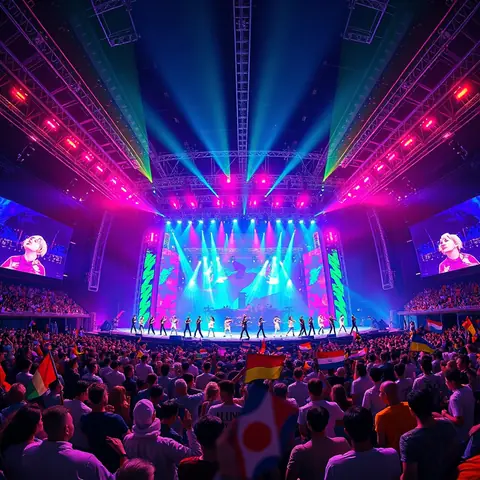
While digital engagement builds the foundation, live touring is what solidifies an artist's status as a global powerhouse. The ability to translate online popularity into sold-out stadium tours is the hallmark of a successful K-pop act.
These tours are not just concerts; they are massive, multi-sensory experiences that include specialized merchandise, lightstick synchronization, and elaborate stage designs.
The touring model relies on the momentum built through digital platforms. A viral hit can lead to a sudden surge in demand for live shows, allowing artists to hit major markets with incredible speed.
This cycle of digital hype followed by physical touring creates a self-sustaining loop of growth and revenue.
Is the growth sustainable for the long term?
An artist looks out over a sea of thousands of fans, realizing that the community they built years ago is still growing and evolving. The scale of the crowd is a testament to the endurance of the brand.
Sustainability depends on the ability to evolve with changing tastes while maintaining the core identity that fans love. As the industry matures, artists must find ways to innovate—through new genres, technological integration,ness, or more complex storytelling—to keep the audience engaged.
There are limitations to this model, particularly regarding the intense workload placed on artists and the high cost of maintaining such high production standards.
Not every group can maintain this level of output indefinitely, and the industry must address mental health and artist well-being to ensure longevity.
When I tried the steps in order, the second one is where I paused longest.
However, this does not apply in every situation.
| Item | Figure |
|---|---|
| 1 | 80% |
| 2 | 60% |
Related




Comments 0