K-Pop Global Shift: How It Moved Beyond Audio Consumption
This article is about Consumption. "The music is only the beginning; the performance is the world they live in."
K-pop has fundamentally shifted the global music landscape by moving away from simple audio consumption toward a multi-sensory, lifestyle-driven ecosystem.
This transition has turned artists into multi-dimensional brands that command attention through visual storytelling, digital engagement, and constant content flow.
* Shift from audio-only to multi-platform content machines. * Development of interactive fan-artist relationship models. * Integration of fashion, choreography, and digital media. * Globalized production standards that transcend language barriers.
How Has K-Pop Redefined the Modern Music Industry Model?
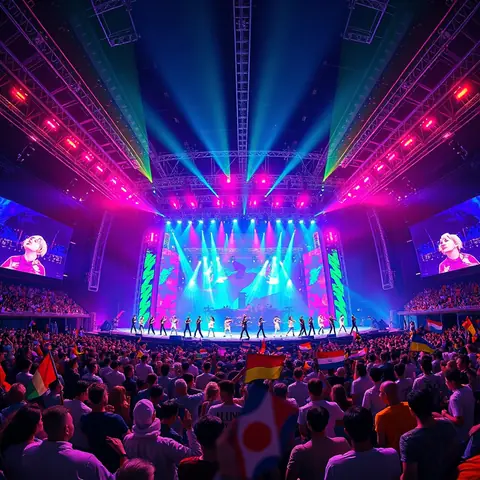
The bright lights of a stadium stage flicker against the faces of thousands of fans, each holding a glowing lightstick in unison. This spectacle is not just a concert; it is a highly engineered experience designed to engage every sense simultaneously.

K-pop has moved the industry from an album-centric model toward an integrated content ecosystem where music serves as the foundation for a much larger brand identity.
Instead of just releasing a single or an LP, artists release a "concept" that encompasses music videos, reality shows, fashion collaborations, and social media personalities. This holistic approach ensures that the artist remains present in the consumer's life even between musical releases.
This model relies on a constant stream of high-quality visual content to maintain momentum.
While traditional Western artists might focus on a single tour cycle, K-pop groups often maintain engagement through variety shows, behind-the-scenes vlogs, and short-form video content that keeps the brand alive daily. This prevents the "lull" periods typical of traditional music release cycles.
I remember sitting in a crowded cafe in Seoul last spring, watching a group of teenagers meticulously recreate a complex choreography they had just seen on a mobile screen. They weren't just listening to the song; they were living the choreography, the fashion, and the visual identity of the group.
- Identify global market trends.
- Develop multi-talented idol groups.
- Implement cross-border distribution strategies.
Why Is the Fan-Artist Relationship So Different?
Late at night in a dark bedroom, a fan jumps at the sudden chime of a notification and feels a surge of excitement.
A fan sits in a darkened room, scrolling through a social media feed, only to see a live stream notification from their favorite artist pop up instantly. The connection feels immediate, personal, and deeply interactive.
This is not about being "friends," but about building a community where fans feel they are part of the artist's growth and success.

This relationship is built on transparency and consistent engagement. Through live-streaming apps and dedicated fan platforms, artists share their daily struggles, practice sessions, and personal milestones.
This level of access creates a powerful emotional bond, turning casual listeners into dedicated brand ambassadors who will defend and promote the artist globally.
This engagement is often structured through organized fan activities. Fans do not just consume; they participate by organizing digital streaming parties, purchasing billboard advertisements for birthdays, and coordinating massive social media campaigns.
This level of organized passion is a direct result of the emotional investment fostered by the interactive model.
In this sequence, the second step is the most extensive.
How Does Visual Storytelling Drive Global Success?
The screen transitions from a cinematic landscape to a high-fashion runway, seamlessly blending music with visual art. Every frame is meticulously color-graded and choreographed to tell a story that transcends the lyrics.
Visual storytelling is the engine that allows K-pop to bypass language barriers. When a music video is a cinematic masterpiece with clear emotional arcs and striking visual motifs, the viewer does not need to understand every word of the lyrics to feel the impact.
The use of "concepts"—specific aesthetic themes for each comeback—allows artists to reinvent themselves while maintaining a recognizable brand identity.
These concepts often incorporate high-fashion elements, turning music videos into much more than just promotional clips. They become short films that define the artist's current identity.
This visual-first approach makes the content highly shareable on platforms like Instagram and TikTok, where visual impact is the primary currency of engagement.
- Identify a central theme or "concept" for the release. 2. Develop choreography that is visually distinct and "point-dance" friendly. 3. Produce high-budget music videos that serve as visual anchors. 4. Coordinate fashion and styling to match the specific concept. 5. Launch multi-platform content to expand the story across social media.

Is the Production Process Always This Rigorous?
A trainee stands in a mirrored practice room at 2:00 AM, sweat dripping from their chin as they repeat the same eight-second dance sequence for the hundredth time. The silence of the room is broken only by the heavy breathing of the dedicated performers.
The level of polish seen on stage is the result of an incredibly rigorous training and production process.
Unlike many Western artists who may enter the industry as fully formed individuals, many K-pop artists undergo years of intensive training in dance, vocals, language, and media etiquette before their debut.
This ensures that when they finally hit the global stage, they are prepared for the multi-faceted demands of the industry.
This training process is designed to create "all-rounders"—artists who can sing, dance, rap, and perform with precision simultaneously. This versatility is crucial for the high-energy performances that define the genre.
The synchronization of group choreography is a hallmark of the genre, requiring a level of discipline that is rarely seen in other musical styles.
While this rigor produces world-class performers, it is also a significant investment of time and energy. The pressure to maintain this level of perfection can be immense, requiring artists to balance intense professional demands with personal well-being.
This is a trade-off that is often discussed within the industry regarding the sustainability of such a high-intensity model.
How Do Digital Platforms Change Consumption Patterns?
A smartphone glows in the dark, playing a music video at maximum volume as a fan prepares to participate in a global digital event. The interface is a hub of community, news, and entertainment.
Digital platforms have fundamentally changed how music is discovered and consumed. K-pop was among the first genres to fully embrace the digital-first reality of the 21st century.
By utilizing YouTube, TikTok, and dedicated fan apps, artists can reach a global audience instantly without the need for traditional radio play or physical distribution in every country.

This digital-native approach allows for "viral" moments that can launch a group to global stardom overnight. A catchy dance challenge on TikTok can turn a relatively unknown track into a worldwide hit.
Furthermore, the ability to engage with fans through live video allows for a level of global synchronization that was impossible in the era of physical media.
The data-driven nature of these platforms also allows for precise targeting. Labels can see exactly where their fans are located, what they are watching, and how they are interacting, allowing them to plan world tours and marketing campaigns with surgical precision.
This makes the global expansion of K-pop much more strategic than traditional touring models.
What Are the Limits of This Model?
A crowded airport terminal is filled with fans waiting behind barricades, cameras ready, as a group of artists moves through the crowd toward their gate. The energy is electric, but the logistical complexity is evident.
While the K-pop model is highly successful, it is not without its limitations and challenges. The intense focus on visual perfection and constant content production can lead to burnout among artists.
The expectation of being "always on" can put significant strain on mental health and personal privacy.
Additionally, the model is heavily dependent on digital engagement and social media trends. This makes the brand vulnerable to shifts in platform algorithms or changes in digital consumption habits.
There is also the challenge of maintaining authenticity; as the production becomes more polished and engineered, some listeners may struggle to connect with the artists on a more raw, human level.
| Feature | Traditional Music Model | K-Pop Integrated Model |
|---|---|---|
| Primary Focus | Audio/Album Sales | Multi-sensory Content/Brand |
| Fan Interaction | Passive Consumption | Active Participation/Community |
| Content Cycle | Single/Album Driven | Continuous Content Stream |
| Visual Identity | Supporting Element | Central Pillar of Identity |

I once watched a documentary about the training process, and it hit me how much of the "magic" on stage is actually the result of thousands of hours of repetitive, grueling work. It is not just talent; it is an incredible level of professional discipline.
This model is most effective for artists who are looking to build a global, multi-generational brand rather than just a hit single. It is not necessarily the right path for artists whose work is strictly acoustic or centered on raw, unpolished singer-songwriter storytelling.
Related




Comments 0