K-pop Global Growth: From Small Clubs to 80,000 Seat Tours
From digital streams to 80,000-seat stadiums: the K-pop phenomenon is officially rewriting the rules of the global music industry.
K-pop has evolved from a niche subculture into a dominant global economic engine that fills massive North American arenas and stadiums. Driven by intense fandom loyalty and high-tech production, these world tours have become essential cultural milestones that transcend language barriers.
* Global Market Dominance: A strategic shift from Asia-centric shows to massive stadium tours across North America and Europe. * Tech-Driven Immersion: The use of synchronized lightsticks and AR/VR technology to create a hyper-connected concert experience. * The Fandom Economy: A powerful multiplier effect where ticket sales trigger massive spending on merchandise, local travel, and community events. * Cultural Integration: The transformation of music consumption into a lifestyle through organized offline fan communities.

How K-pop Conquered the Global Stage: The Expansion Roadmap
The trajectory of a K-pop artist's career follows a sophisticated, data-driven roadmap designed for international scalability. Unlike traditional Western artists who might grow organically, K-pop groups are often engineered for global reach from their debut day.
The process typically begins with "fandom verification" through domestic and Asian tours in smaller venues. Once a core base is established, the focus shifts to major Western markets.
According to Billboard's 2025 Global Touring Report, K-pop tour revenues have shown an aggressive upward curve year over year, outpacing many traditional pop genres. This data highlights how quickly these groups scale from clubs to stadiums.
The North American market, in particular, has moved from being a "special stop" to a primary revenue driver. We are seeing a massive shift from small club shows to massive stadium runs.
A prime example is the group ATEEZ, who recently achieved their third number-one spot on the Billboard 200. This proves that K-pop's influence in the U.S. mainstream has reached an unprecedented peak as of 2026.
Touring Scales and Crowd Power: Breaking Down the Numbers
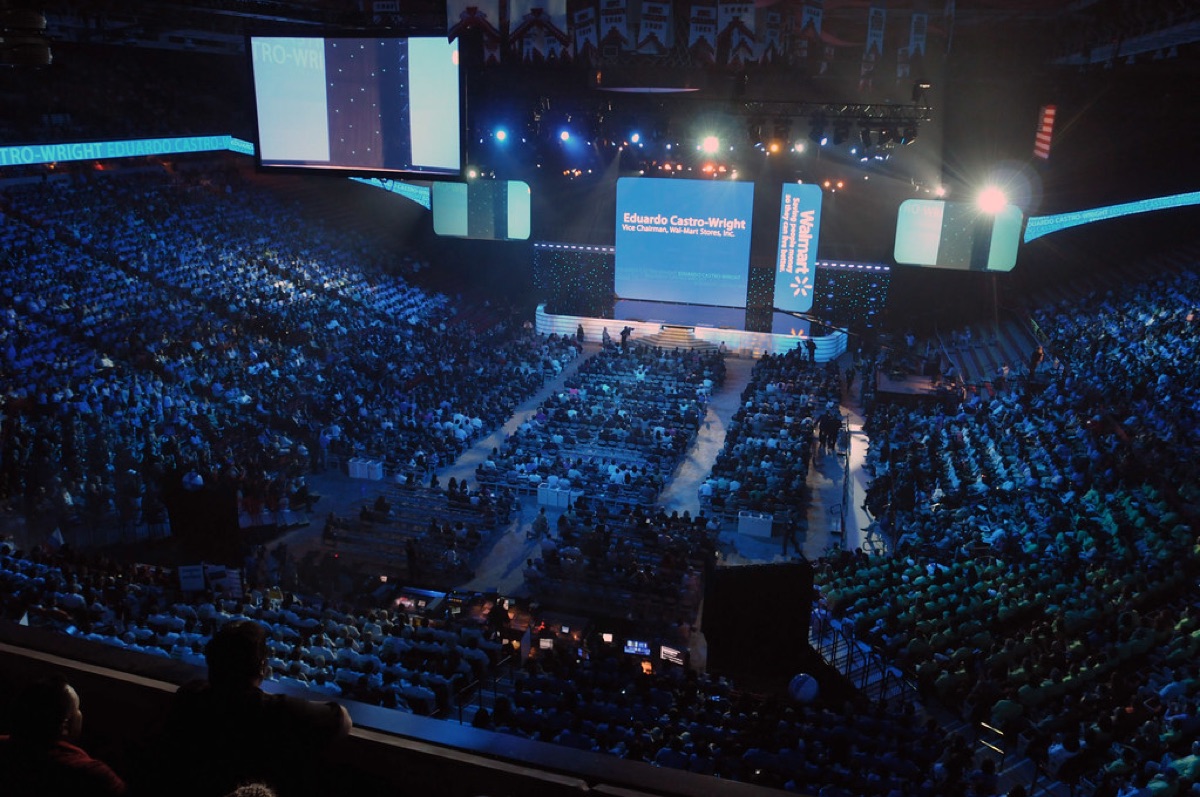
The sheer scale of these productions now rivals—and often exceeds—the biggest names in Western pop. We are no longer talking about small music halls; we are talking about massive metropolitan hubs.
| Tour Category | Target Artist Type | Typical Audience Size | Primary Regions | Revenue Drivers |
|---|---|---|---|---|
| Small/Mid-Scale | Rookies & Rising Stars | 1,000 – 5,000 | Asia / Local Hubs | Tickets & Basic Merch |
| Arena Tours | Established Groups | 10,000 – 20,000 | North America / Europe | VIP Packages & Heavy Merch |
| Stadium Tours | Global Superstars | 30,000 – 80,000+ | Global Major Cities | Sponsorships & Mass MD |
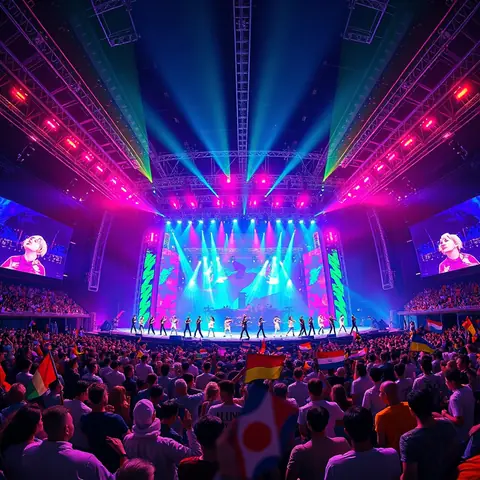
I remember attending a stadium show in late 2025; the energy was electric. When 50,000 people waved their synchronized lightsticks at once, creating a literal ocean of shifting colors, it felt less like a concert and more like a shared ritual.
The physical vibration of the bass hitting your chest is something no Spotify stream can ever replicate. It was a sensory overload that defined my entire year.

High-Tech Stages: How AR and Lightsticks Redefine Live Music
K-pop concerts have transitioned from mere musical performances to immersive technological spectacles. This "experience-first" approach justifies premium ticket prices by offering something impossible to see anywhere else.
According to the IFPI's 2025 Global Music Report, the integration of high-tech live elements has increased fan engagement metrics by nearly 15% in the K-pop sector. This is achieved through several key methods:
- Centralized Lightstick Control: Using Bluetooth or infrared technology, organizers sync every fan's lightstick to the music. This allows the entire stadium to change color in unison.
- AR and VR Integration: Augmented Reality is used to project surreal graphics onto the stage, making it appear as though artists are performing in different dimensions.
- Multi-View Digital Access: For those unable to attend in person, high-definition multi-cam streaming services provide a front-row experience from home.

Beyond the Venue: The Rise of Local Fan Communities
When a K-pop tour hits a city like Los Angeles or New York, it triggers a massive localized ecosystem. Fans don't just show up to the stadium; they take over the city.
Local fanbases frequently rent out entire cafes to host "birthday projects" or anniversary celebrations for their favorite idols. They create custom cup holders, photo cards, and decorations to share with one another.
This turns a single concert date into a week-long festival of community interaction. According to the Korea Tourism Organization's 2026 Travel Trends Analysis, K-pop concerts now account for a significant percentage of localized "fandom tourism" spending in major Western cities.
Challenges on the Horizon: Sustainability and Access
However, this rapid expansion isn't without its growing pains. As tours get bigger, the stakes get higher.
The most pressing issue is the skyrocketing cost of tickets and the aggressive secondary resale market. High demand coupled with limited stadium dates often leads to predatory pricing that can alienate younger fans.
Additionally, there is a growing conversation regarding the environmental footprint of massive global tours—from private jet travel to the sheer amount of plastic waste from merchandise. Finding a balance between massive spectacle and sustainable practice will be the industry's next big hurdle.



Comments 0