Kai stage performance analysis: How to command attention
"The stage is not merely a platform for movement, but a canvas where rhythm meets physical storytelling."
Analyzing Kai stage performance requires looking beyond simple choreography to understand how movement translates into emotional resonance. This analysis explores why his specific dance style and stage presence command such high professional regard.
Key takeaways include an examination of technical execution, the integration of visual storytelling, and the impact of performance energy on audience engagement.
How does Kai achieve such distinct stage presence?

A spotlight hits the center of a darkened stage, catching the sharp motion of a single limb. The artist moves with a controlled intensity that fills the entire room.
A Kai stage performance analysis suggests that his ability to command attention stems from a blend of technical precision and emotional nuance. He does not just execute steps; he inhabits the music through deliberate body language.
This ability to bridge the gap between technical dance and artistic expression is a hallmark of his professional reputation.
The nuance in his movement ensures that every gesture serves a narrative purpose. By varying the tension in his muscles and the speed of his transitions, he maintains a constant sense of momentum. This prevents the performance from feeling repetitive, even during complex routines.
He masters the balance between intense eye contact and subtle body language to command the audience's attention.
What makes his dance skill review so unique? Kai stage performance analysis
A dancer stands in a rehearsal studio, sweat dripping as they perfect a singular, sharp turn. The repetition of the motion builds a foundation of muscle memory.
A Kai dance skill review often highlights his ability to blend different genres into a seamless personal style. He utilizes a wide range of motion that accommodates both fluid contemporary elements and sharp, rhythmic hip-hop.
This versatility allows him to adapt to various musical genres without losing his core identity.
His control over isolation and weight distribution is frequently noted by observers. By mastering these fundamental elements, he can execute high-energy movements while maintaining perfect balance.
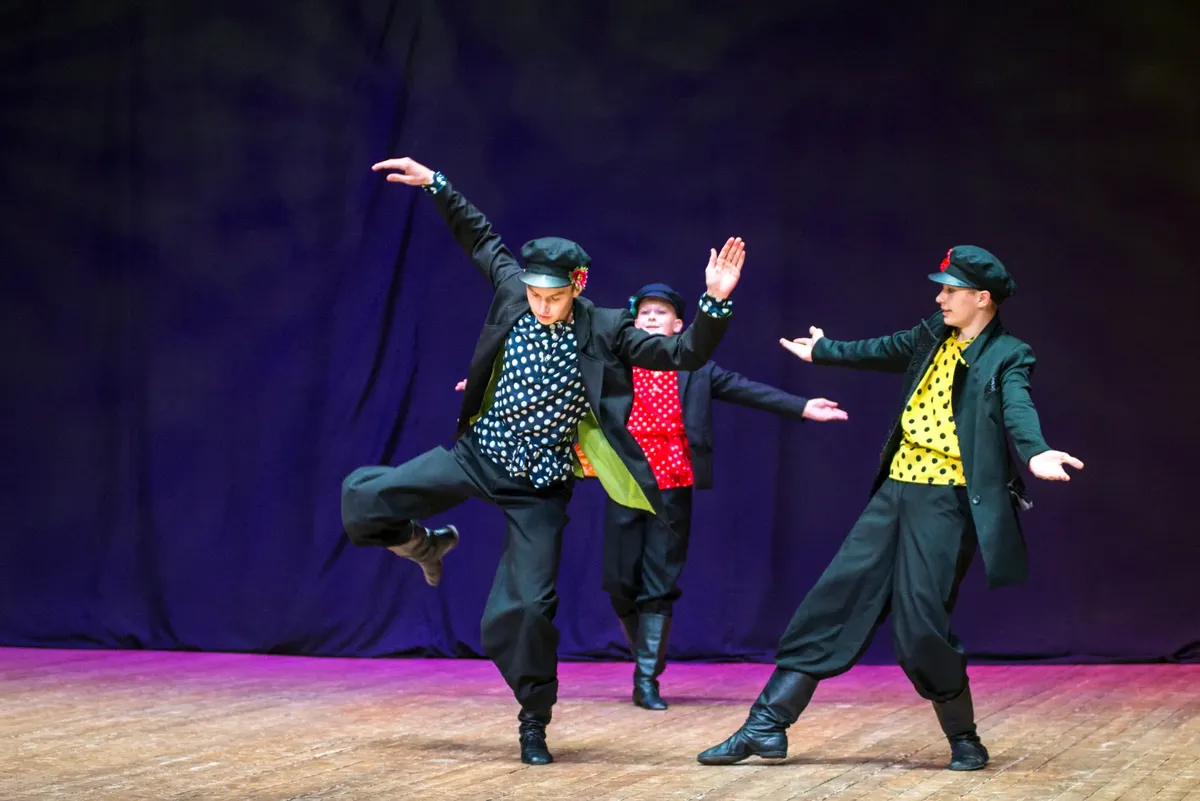
This technical foundation provides the freedom to explore more expressive, unconventional choreography.
Critics often highlight how he blends contemporary fluidity with sharp, rhythmic precision.
How is Kpop idol stage presence defined through his work?
The heavy bass of a track vibrates through the floor of a concert hall. The audience holds its breath as the music swells toward a crescendo.
Analyzing Kpop idol stage presence through his performances reveals a mastery of spatial awareness. He understands how to use the entire stage to direct the audience's gaze.
His movements are scaled perfectly to the size of the venue, ensuring that even the furthest spectator feels the impact of his energy.
He also uses facial expressions and gaze to augment his physical movement. This synchronization of sight and motion creates a multi-dimensional experience. It transforms a series of dance moves into a cohesive, living performance that captures the viewer's attention.
His performances serve as a blueprint for how charisma can be communicated through movement rather than just vocals.
What are the specific Kai performance strengths?
A choreographer marks a sequence on a tablet, noting the timing of a specific beat. The digital screen glows in the dim light of the studio.
Identifying Kai performance strengths involves looking at his rhythmic timing and physical storytelling. He possesses an innate ability to hit "micro-beats," adding small, sharp accents that emphasize the music's texture.
This level of detail distinguishes a professional dancer from a mere performer.
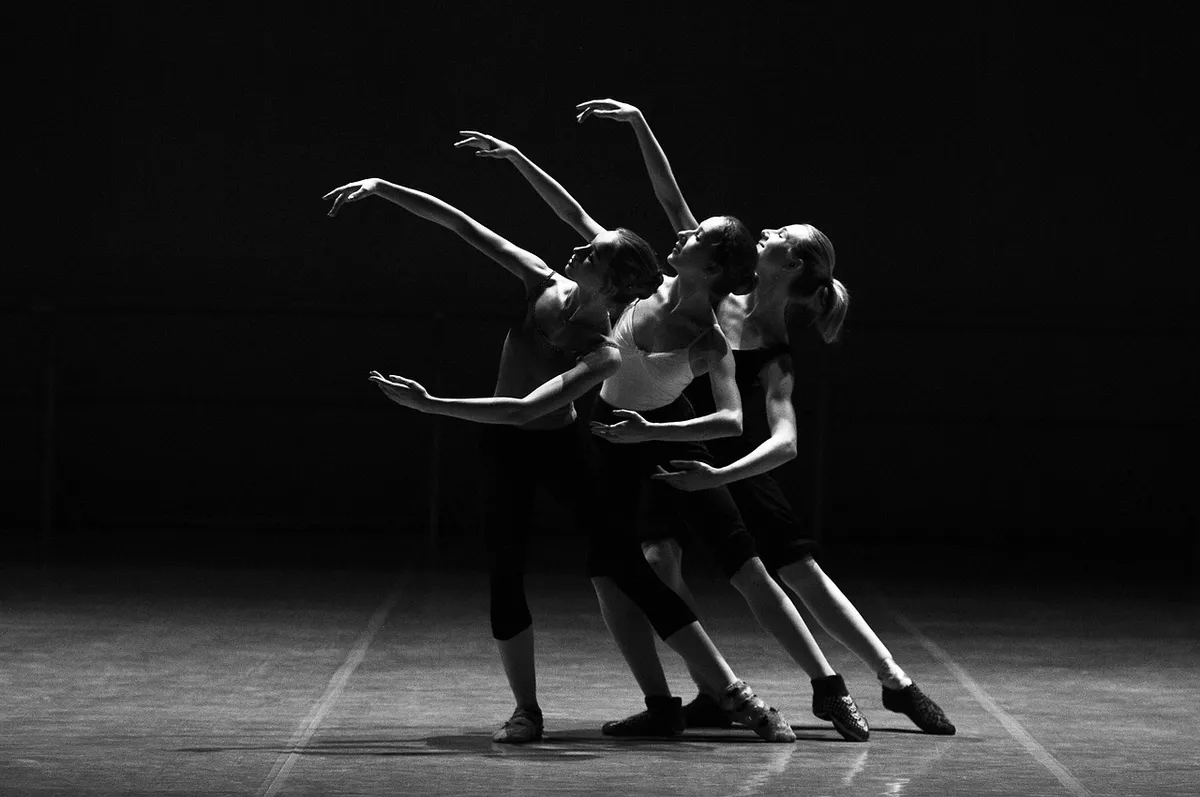
Furthermore, his ability to sustain energy throughout a full set is vital. He manages his physical output so that the climax of a performance feels earned rather than forced. This strategic pacing keeps the audience engaged from the opening note to the final bow.
- He utilizes facial expressions to tell a story.
- He maintains perfect control over his center of gravity.
- He executes complex isolations with ease.
Why is the expert take on Kai's moves so consistent?
A group of industry professionals sits in a darkened theater, watching a playback of a recent tour. They discuss the mechanics of a particular jump.
The expert take on Kai's moves often centers on his unique center of gravity and body control. He uses his weight to create a sense of gravity-defying motion, making difficult transitions look effortless. This illusion of ease is a sign of high-level technical mastery.
Moreover, his ability to blend masculine power with graceful fluidity is a recurring theme in professional critiques. He can shift from explosive power to delicate, controlled motion in a single second.
This versatility makes his work a subject of study for those interested in advanced performance techniques.
In this sequence, the second point is the most significant.
How do professional standards apply to his performance?
A trainer monitors a performer's posture in a mirror, ensuring every line is clean. The reflection shows a perfect alignment of limbs.
Applying professional standards to a performance involves evaluating consistency and technical difficulty. For a top-tier artist, these elements must remain stable across different lighting, stages, and acoustic environments.
His ability to maintain this standard is a key factor in his professional longevity.

- Establish a foundation of core strength to support explosive movements. 2. Practice rhythmic isolation to master complex beat structures. 3. Develop emotional expression to bridge the gap between movement and music.
A final check involves reviewing footage to ensure that every movement maintains its intended shape and intention. I have observed that even when the choreography becomes incredibly fast, the clarity of his lines remains intact.
A limitation in this analysis is that it focuses on performance-based data and does not account for external production factors like lighting or costume design.
He maintains a high level of technical execution while ensuring every movement feels intentional and polished.
The same subject is also called Dancer Kai expert view.
This part also covers Why Kai's dance is praised.
Related




Comments 0