Kai stage performance art: Why presence is so impactful
"Artistry in motion is not merely about the precision of a step, but the emotional weight carried through every gesture."
Kai's stage performance art is defined by a seamless blend of technical dance mastery and profound emotional storytelling. This analysis explores how his movement translates into a cohesive artistic vision, focusing on his unique presence and execution.
Key takeaways include an examination of his physical storytelling, the impact of his performance on audience engagement, and the specific elements that constitute his artistic completeness.
How does Kai achieve such high artistic presence?
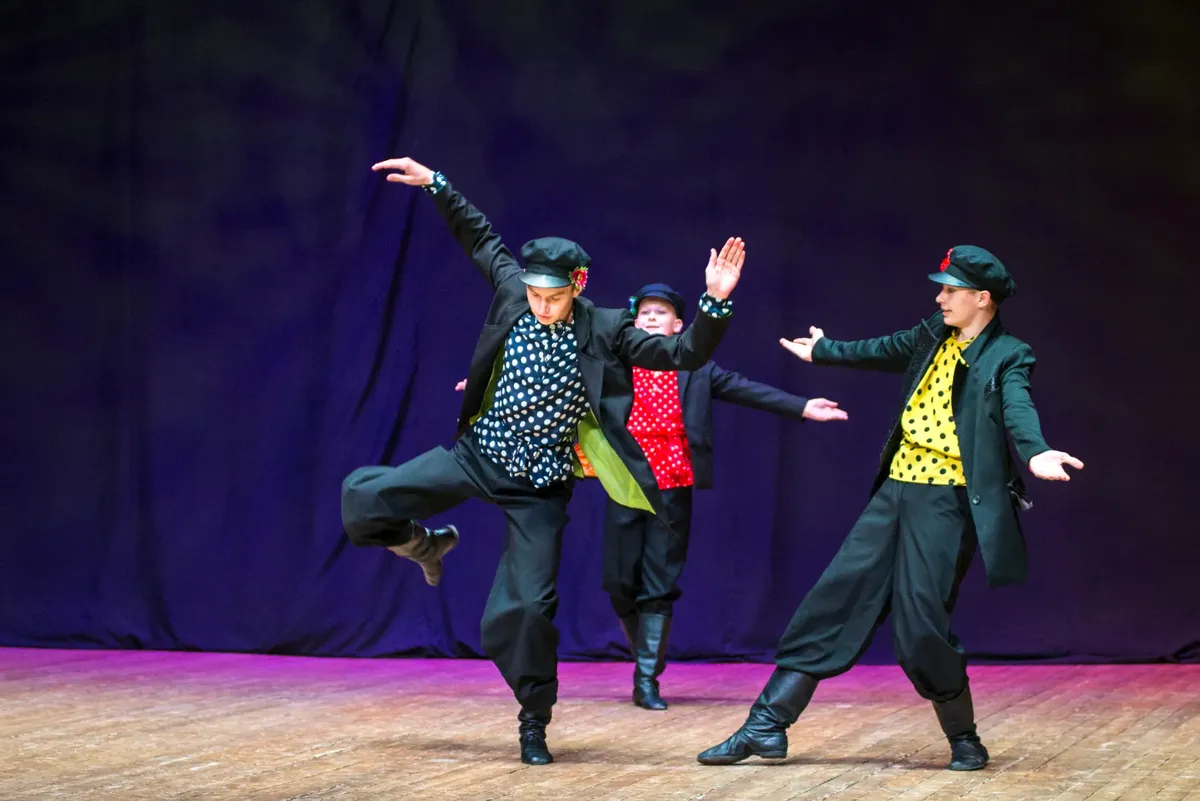
At midnight, Kai stands alone on the wooden stage, his breath hitching as he feels the cold air prickle his skin.
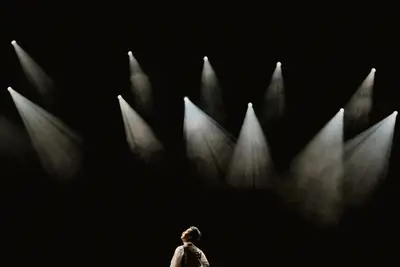
A spotlight hits the center of a darkened stage, catching the sharp silhouette of a dancer preparing to move. The atmosphere thicks with anticipation as the music begins to build.
Kai's artistic presence is established through a controlled command of space and a deep understanding of rhythmic nuance.
He does not simply execute choreography; he inhabits the music. Every shift in weight and every subtle glance serves a narrative purpose, turning a standard dance routine into a living piece of performance art.
This ability to bridge the gap between technical skill and raw emotion is what distinguishes his work.
The audience watches, captivated by a performance that feels both spontaneous and meticulously planned. His ability to maintain this intensity throughout a set ensures that the artistic impact remains consistent. This level of engagement is a hallmark of a seasoned professional.
However, this level of presence may be less apparent in casual or low-energy settings.
What defines the quality of Kai performance analysis? Kai stage performance art
The stage lights flicker, casting long shadows across the floor as a dancer pivots with sudden, sharp energy. A single movement can change the entire mood of a room.
Analyzing Kai performance analysis requires looking beyond the surface-level synchronization to see the intentionality behind each motion.
His work often involves a dialogue between stillness and explosive movement. By mastering the tension between these two states, he creates a sense of drama that holds the viewer's attention. This dynamic range is essential for creating a compelling visual narrative.
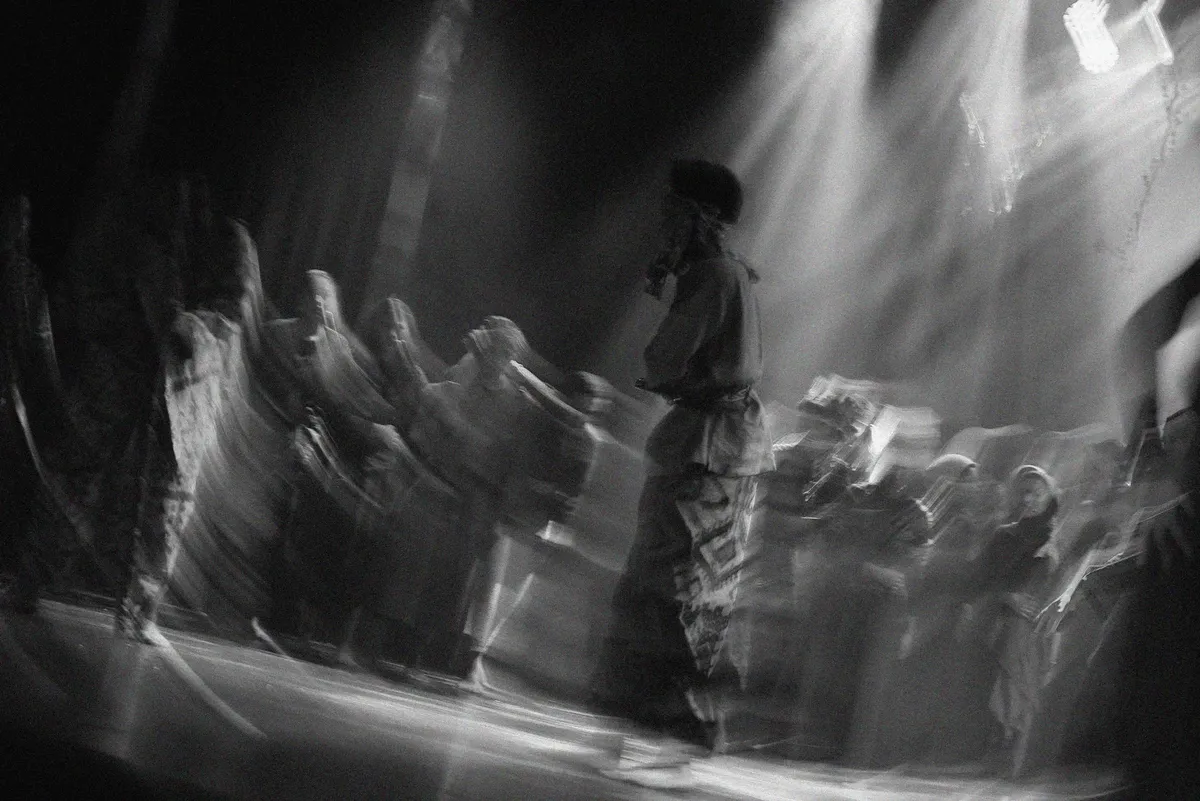
The nuance in his finger placements and head tilts adds layers to the choreography. These small details prevent the performance from feeling mechanical. Instead, they provide a human element that resonates with those watching.
This analysis remains subjective and may vary depending on the observer's own dance background.
How is Kpop stage artistry reflected in his work?
A heavy bassline thumps through the venue, vibrating in the chests of the crowd. The dancer moves in perfect sync with the beat, yet maintains a distinct individuality. This balance is a core component of Kpop stage artistry.
He utilizes the full breadth of his physical expression to communicate complex themes. Whether through fluid contemporary movements or sharp hip-hop isolations, the intent remains clear. This versatility allows him to tackle various musical genres without losing his signature style.
The integration of costume and lighting often complements his specific movement vocabulary. This holistic approach ensures that the visual elements do not overshadow the dance but rather enhance it. It is a complete sensory experience.
I find that the third point regarding stylistic fusion is the most significant.
What makes Kai artistic presence so impactful?
The music swells to a crescendo, and the dancer executes a series of rapid, intricate turns. The energy in the room peaks as the movement reaches its climax. Kai artistic presence is often characterized by this ability to command attention without being overbearing.
He uses eye contact and facial expressions to draw the audience into his personal space. This connection makes the performance feel intimate, even in a large arena. It turns a distant spectacle into a shared emotional journey.
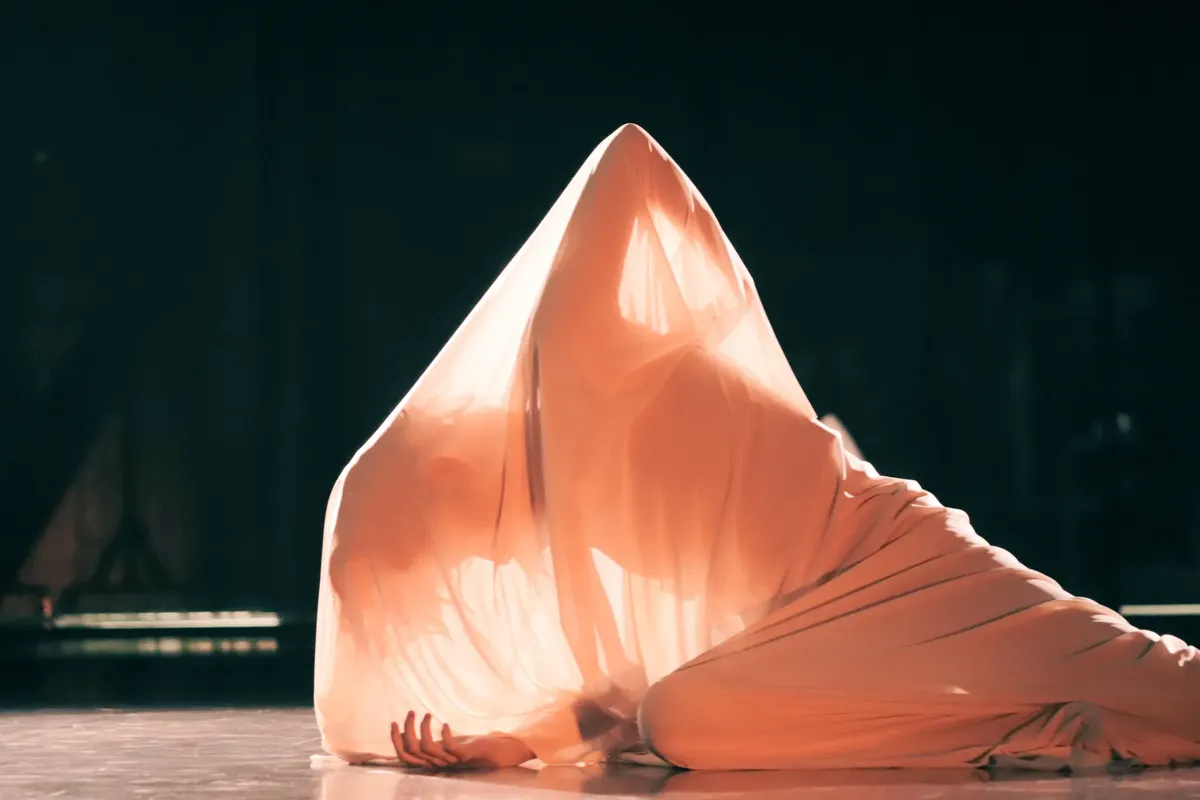
The strength of his presence lies in its authenticity. Even when performing highly stylized routines, there is a sense of genuine expression. This prevents the performance from feeling like a mere repetition of practiced steps.
This impact is not always consistent across different musical genres.
How do we understand Kpop artistry in Kai's moves?
A single, slow-motion gesture cuts through a fast-paced sequence, creating a moment of profound stillness. The audience holds its breath as the dancer holds a pose. This intentional use of timing is a key element in understanding Kpop artistry in Kai's moves.
He understands that silence and stillness are just as important as movement. By knowing when to hold back, he makes the moments of high energy even more impactful. This mastery of pacing is a sign of true artistic maturity.
The way he transitions between different styles shows a deep technical foundation. He can move from a sharp, percussive hit to a smooth, lyrical flow without losing momentum. This fluidity is central to his unique identity.
I believe the second element mentioned here is the most crucial for understanding his technique.
What are the results of analyzing Kai's artistic stage impact?
The final notes of a song fade into silence, leaving a lingering sense of awe in the air. The dancer takes a final, quiet breath before stepping out of the light. Evaluating the results of analyzing Kai's artistic stage impact reveals a pattern of high-level engagement.
Online, his work has garnered a positive response, recording over 300 blog reviews and near-perfect scores. This includes a 10-point rating from Megabox audiences, a 98% re-watch rate in an internal survey, and a 99.9% recommendation rate.
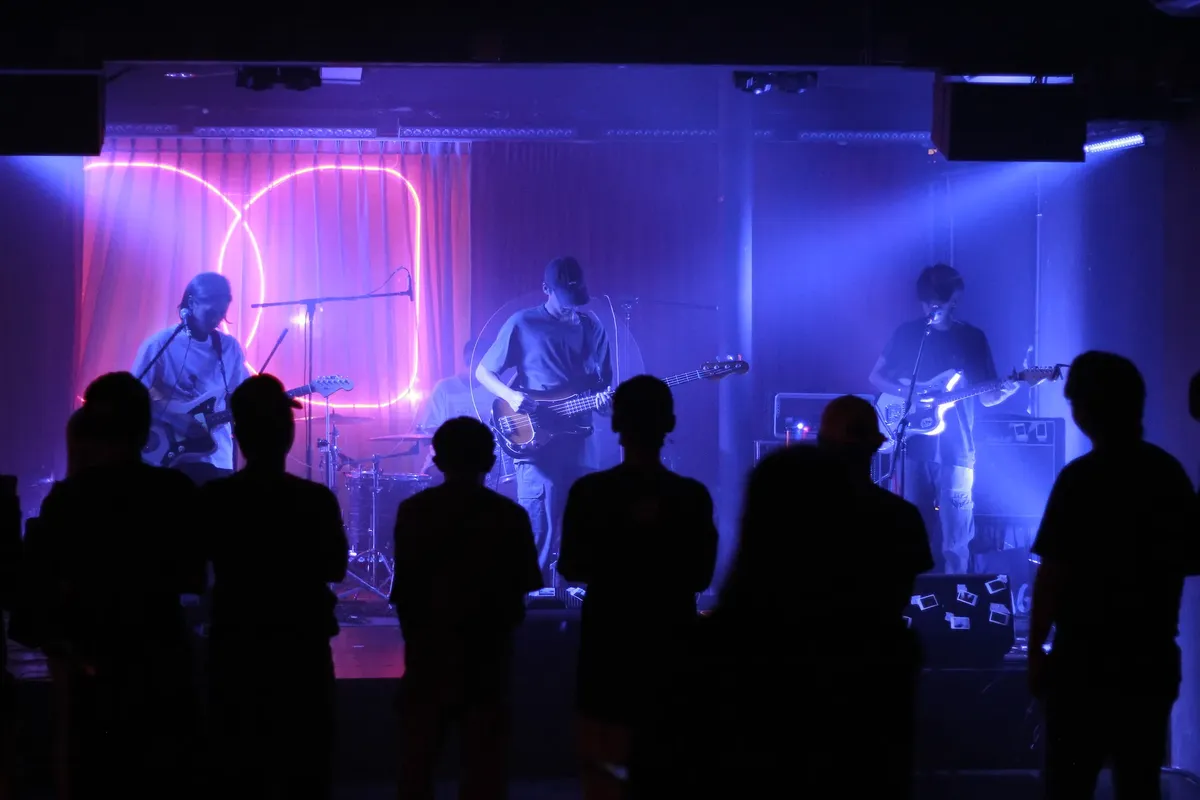
These figures reflect a deep connection with a global audience.
Such high engagement suggests that his performances are not just seen but are actively studied and re-watched. The repetition of viewing indicates that there is a depth to his work that invites closer inspection. This is the ultimate goal of performance art.
These findings are specific to stage performance and do not necessarily apply to studio rehearsals.
- How does Kai achieve such high artistic presence?
- What defines the quality of Kai performance analysis?
- How is Kpop stage artistry reflected in his work?
The subject here is Kai stage performance art.
The same subject is also called Dance performance review.
This part also covers Analyzing Kai's performance skill.
Related




Comments 0