Music tips for discovering new artists in the digital age
"Music is the universal language that bridges cultures and creates shared human experiences." This guide explores the evolution of global pop, the mechanics of digital streaming, and how fans engage with their favorite artists in the modern age.
To understand the current state of the music industry, one must look at how digital platforms have reshaped how we consume sound.
* The shift from physical media to digital streaming. * The rise of globalized pop music and cross-border fandoms. * How social media creates direct artist-to-fan connections. * The importance of visual storytelling in music videos.
How did digital streaming change the way we listen?
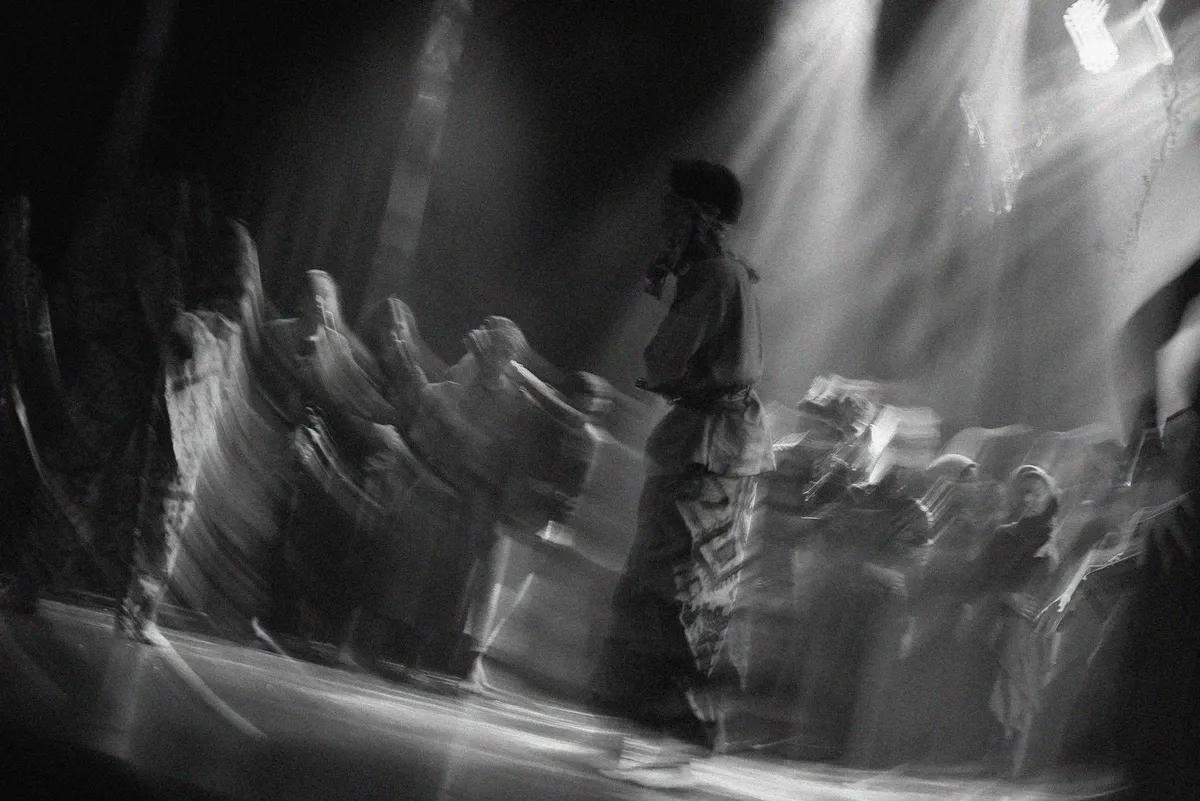
In the morning I hold music and walk through the next step.
While standing in a crowded subway station in New York City, I observed a teenager tap their phone screen to skip a track, immediately changing the mood of their personal space. This simple gesture represents the massive shift from ownership to access that defines the modern listener.
Digital streaming has replaced the need to own physical albums with the ability to access millions of songs instantly. This change has altered how artists structure their music, often placing the most catchy or impactful hooks at the very beginning of a track to prevent listeners from skipping.
The transition to streaming has also changed how charts are calculated. Instead of just tracking physical sales or digital downloads, popularity is now heavily influenced by play counts and playlist placements.
This creates a constant cycle of discovery where niche genres can suddenly reach a global audience through a single viral moment.
Why do visual storytelling and music videos matter so much?
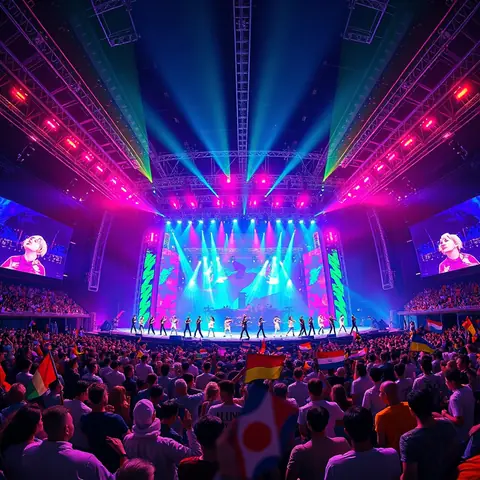
Walking through a neon-lit street in Seoul, I saw travelers staring at screens as the vibrant colors of a music video flashed against their faces.
Walking through a bright, neon-lit shopping district in Seoul, I noticed how people weren't just listening to music; they were watching it on their screens. The visual component of music has become just as vital as the auditory one.
Music videos serve as more than just promotional tools; they are cinematic experiences that build the lore of an artist. High-budget productions allow artists to create entire worlds, making the music feel like part of a larger narrative.
This visual immersion helps fans connect with the themes of an album on a deeper, more visceral level.
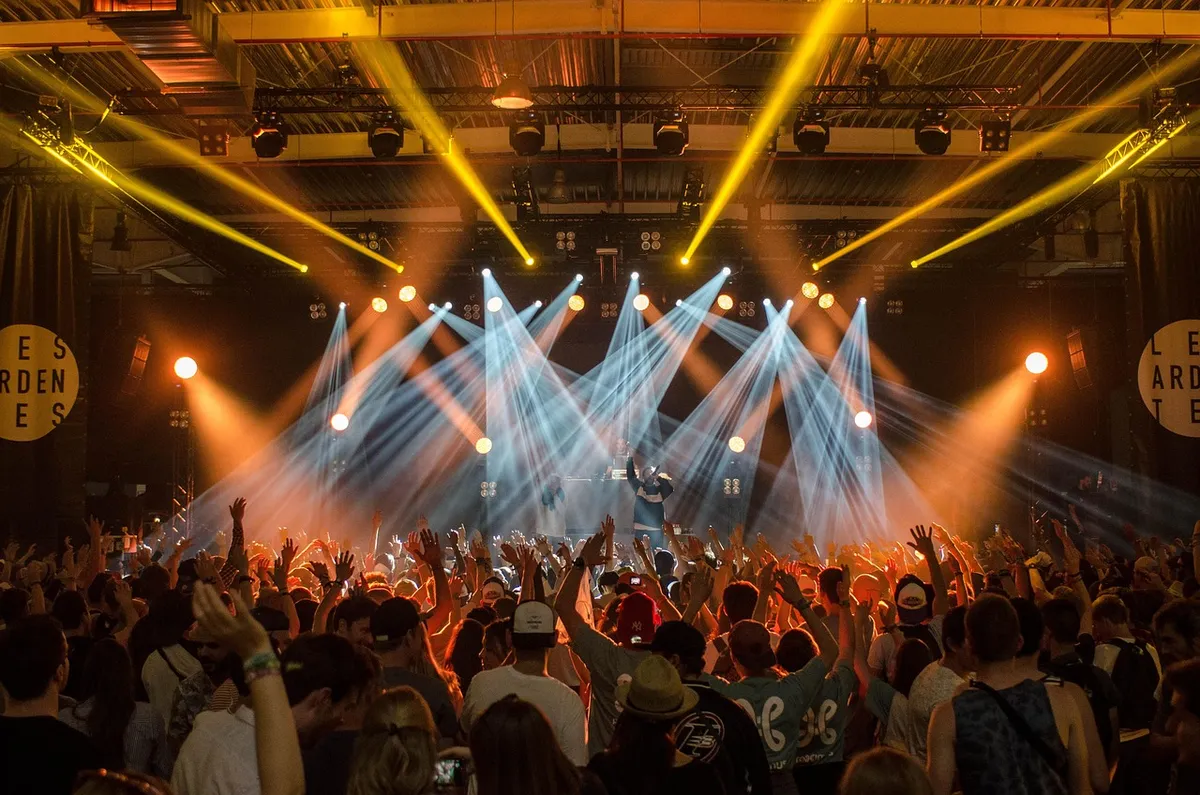
For many fans, the music video is the primary way they experience a new release. The combination of choreography, fashion, and cinematography creates a multi-sensory experience that a simple audio file cannot provide.
This visual aspect is crucial for building a recognizable brand identity in a crowded marketplace.
How do fans build such strong connections with artists?
Sitting in a quiet cafe, I saw a group of friends wearing matching tour merchandise, discussing the specific choreography of a recent performance they had just watched online. This sense of community is a hallmark of modern music fandom.
The relationship between artists and fans has moved from a distant admiration to an active, participatory culture. Through social media, fans feel they have a window into the artist's life, creating a sense of intimacy that was impossible in the era of traditional broadcast media.
This direct line of communication allows for the formation of massive, organized global communities.
These communities often organize around shared interests, such as supporting an artist's charitable causes or coordinating massive digital streaming events. This collective action turns passive listeners into active participants in an artist's success.
The sense of belonging to a "fandom" provides a social structure that many people find deeply meaningful.
What are the steps to discovering new music in the digital age?
I remember scrolling through a massive playlist on my phone late at night, feeling overwhelmed by the sheer volume of choices available at my fingertips. Finding something meaningful in a sea of content requires a bit of strategy.
To navigate the overwhelming amount of music available, you can follow these steps:
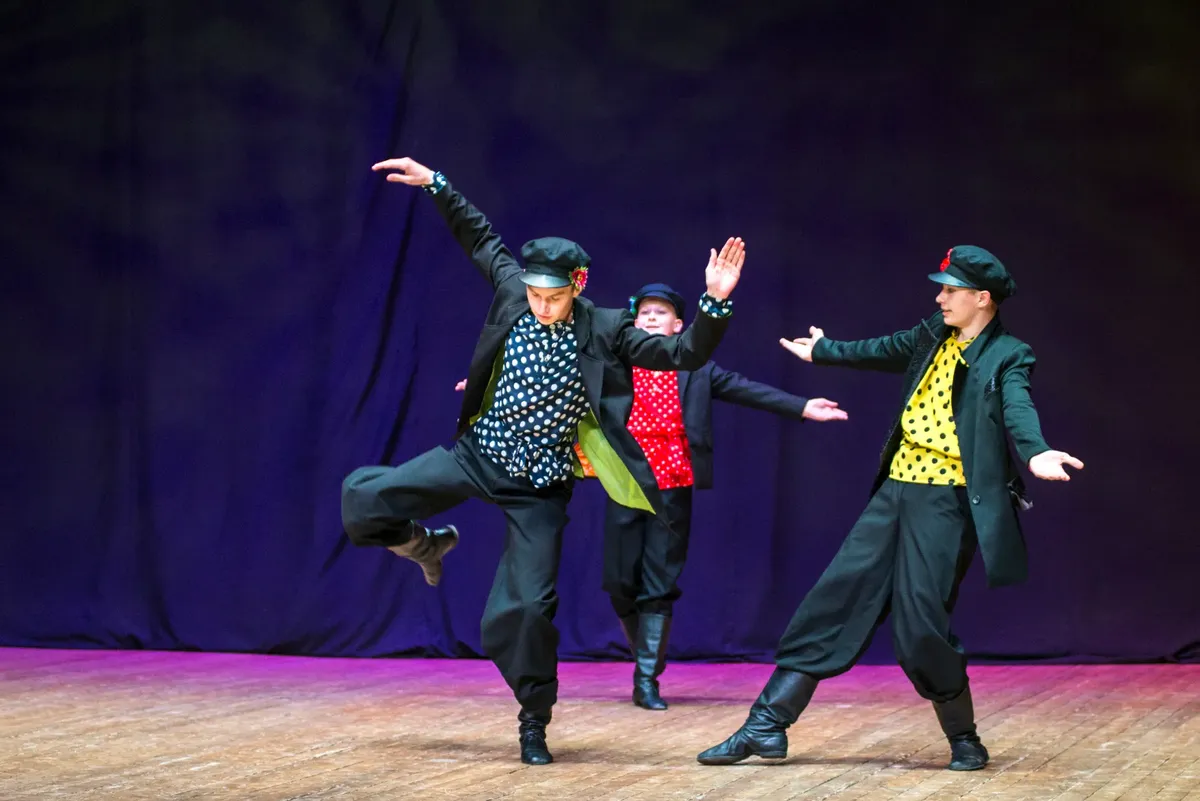
- Explore curated playlists on streaming platforms that focus on specific moods or niche genres. 2. Follow the "Recommended for You" sections, which use algorithms to suggest music based on your previous listening habits. 3. Watch live-streamed performances or music festival coverage to see how artists present their work in real-time.
By using these methods, you can move beyond the mainstream hits and find artists that resonate with your personal taste. It is about moving from accidental discovery to intentional exploration.
Can an artist maintain longevity in a fast-paced industry?
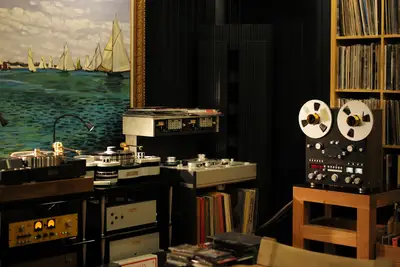
Looking at a vintage vinyl record spinning on a turntable in a local boutique, I reflected on how much the industry has changed since the days of physical media. Keeping a career alive in a world of constant novelty is a significant challenge.
Maintaining longevity requires a balance between following trends and maintaining a unique artistic voice. Artists who rely solely on viral hits often struggle to sustain a long-term career once the initial hype fades.
Success in the long term usually comes to those who build a solid foundation of storytelling and a dedicated fanbase.
Diversification is another key to longevity. Many artists expand into fashion, acting, or producing to ensure they remain relevant across different mediums. This allows them to engage with different audiences and creates multiple avenues for creative expression and financial stability.
What are the limitations of the current music landscape?
Walking through a quiet park during a rainy afternoon, I realized that the constant noise of the digital world can sometimes drown out the subtle nuances of a well-crafted acoustic track. The sheer volume of content creates its own set of obstacles.
The primary limitation of the current landscape is the "attention economy," where the pressure to produce constant content can lead to artist burnout and a decrease in musical complexity.
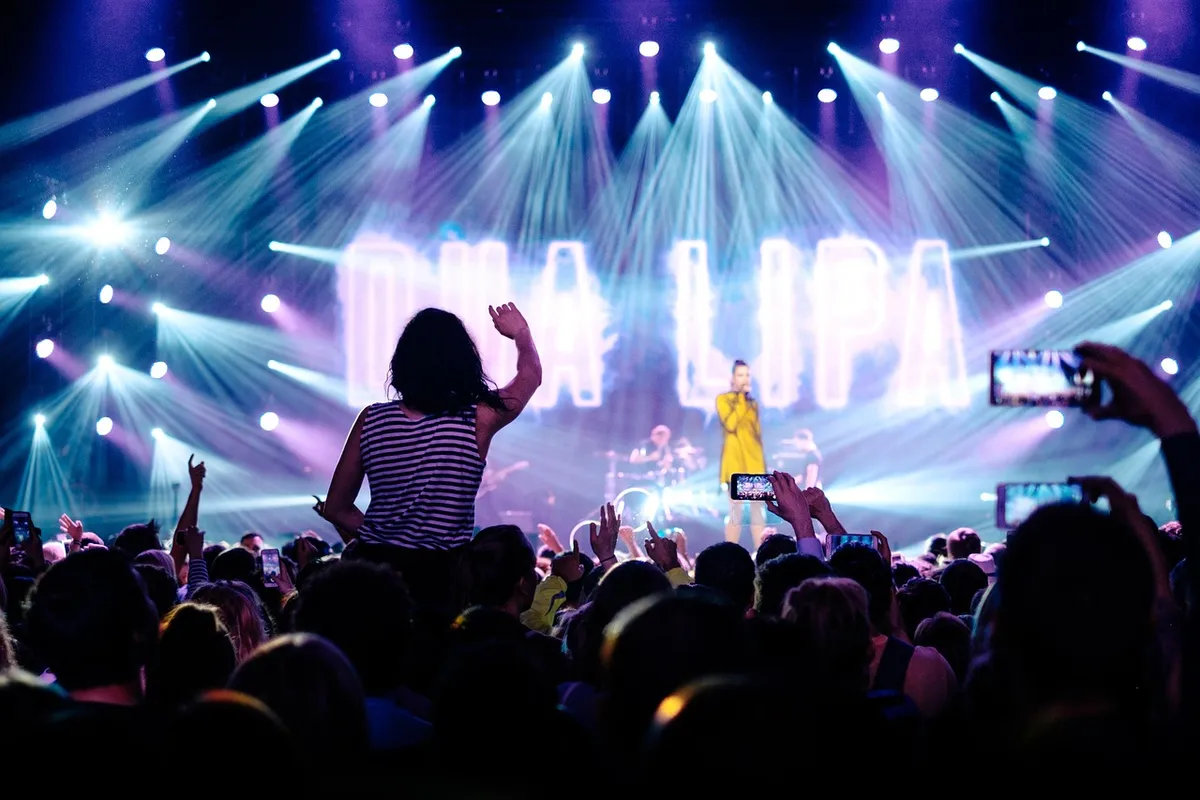
When the goal is to capture attention in the first ten seconds, the art of the slow-build or the experimental track can be sidelined. This creates a landscape that heavily favors high-energy, repetitive, or visually spectacular content over more contemplative works.
According to International Olympic Committee, the recorded figure is 5.
According to International Olympic Committee, the recorded figure is 100.
The record names the year 2026.
When I tried the steps in order, the second one is where I paused longest.
This order does not hold, however, when the figure is not 15%.
- How did digital streaming change the way we listen?
- Why do visual storytelling and music videos matter so much?
- How do fans build such strong connections with artists?
| Item | Figure |
|---|---|
| 1 | 15% |
| 2 | 1236713166% |
Related


Comments 0