K-POP fandom global power: 70.3 million revenue from tours
"The power of a movement lies not just in the music, but in the sheer scale of the community that follows it."
K-POP fandom global power stems from a highly organized and dedicated community that turns musical releases into massive economic and cultural events. This collective energy drives market growth and expands the genre's influence across various artistic mediums.
Key takeaways include the unprecedented speed of record-breaking sales, the massive revenue generated through live touring, and the ability of fan networks to dominate regional box offices.
How does the K-POP fandom global power manifest in economic reality?

At midnight in the crowded city center, a fan grips a heavy shopping bag while feeling the rush of a sudden purchase, proving the massive scale of K-POP fandom global power.
A massive crowd gathers at a stadium, holding lightsticks that illuminate the dark venue as digital ticket queues vanish instantly. This sudden surge of demand illustrates how K-POP fandom global power transforms digital engagement into immediate physical presence.
The ability to mobilize quickly is evident in live performance history. For instance, the BigBang is Great concert saw tickets sell out in just 10 minutes. Such rapid engagement demonstrates how a dedicated fan base can control market access within minutes.
The economic impact is further highlighted by massive revenue figures from specific tours. In 2016, a group was the highest earning artist in mainland China based on concert revenue, earning US$70.3 million.
This amount accounted for 70% of the entire total box office of South Korean artists in China for that year. These figures show how concentrated fan spending can dominate entire regional markets.
- Increased demand for physical albums and merchandise. 2. High spending on concert tickets and travel. 3. Growth in luxury brand partnerships.
What drives the fandom global growth across different regions?
Under the dim light of a bedroom at dawn, a sleep-deprived student taps a phone screen to join the surging momentum of a global fandom.
A fan in a different time zone wakes up early to participate in a coordinated digital streaming event. This global fan community operates across borders, ensuring that local trends quickly become international phenomena.
The speed of consumer adoption serves as a primary driver for expansion. In China, the release "Flower Road" set a record by reaching over a million sales in only 3 days and 14 hours, which was the shortest amount of time for a Korean artist.
This rapid turnover proves the efficiency of the global fan network.
This level of engagement creates a self-sustaining cycle of growth. As more people join the community, the visibility of the genre increases, attracting even more followers. The momentum of the fandom drives world status by turning every release into a global cultural moment.
In this sequence, the second point is the most extensive.
According to World Bank, the 2025 record includes 2.9%.
How does K-POP influence expand into other artistic fields?
An artist stands in a quiet gallery, looking at a curated collection of visual works that bridge the gap between music and fine art. This transition shows how the influence of a single artist can move from the stage to the museum.
The expansion of an artist's reach is a natural progression of their cultural footprint.

This move demonstrates that the connection between the artist and the audience is not limited to auditory experiences.
Such artistic expansion relies on the deep emotional investment of the community. When fans follow an artist into new mediums, they carry the brand into new cultural spheres. This multidimensional presence ensures that the genre remains relevant in diverse social settings.
What are the defining characteristics of the music that attracts such fans?
A performer executes a synchronized dance routine under bright lights while a fusion of electronic beats fills the air. This sensory experience is central to the identity of the genre.
According to the Institut national de l'audiovisuel defines K-pop, the genre is characterized as a "fusion of synthesized music, sharp dance routines and fashionable, colorful outfits."
The French Institut national de l'audiovisuel defines K-pop as a "fusion of synthesized music, sharp dance routines and fashionable, colorful outfits." This combination of elements creates a highly marketable and visually engaging product.
The genre's versatility allows it to appeal to various tastes. Songs typically consist of one or a mixture of pop, rock, hip-hop, R&B, and electronic music genres. This stylistic variety helps the music cross over into different demographic groups worldwide.
How has the market responded to this growing influence?
A retail analyst looks at a chart showing a sharp upward trajectory in music industry statistics. This growth reflects the massive scale of the audience supporting the genre.
The market response to the genre's popularity has been historically significant. The following year, South Korea's music market reached a record 44.8%, making it the year's fastest-growing major market. This rapid growth underscores the strength of the industry's expansion.
The scale of the industry is built on these massive shifts in market share. As the fan base grows, the infrastructure to support it expands alongside it. This relationship between the audience and the market is a cornerstone of the genre's success.
How can one engage with the community effectively?
A new listener joins an online forum to learn about the history and current events of their favorite group. Learning the nuances of the community is the first step in becoming an active participant.
To engage with the culture, enthusiasts often follow these steps:
- Follow official social media channels to stay updated on releases and tour dates. 2. Participate in community-led projects, such as digital streaming goals or local fan gatherings. 3. Explore the various artistic and musical sub-genres to understand the full scope of the movement.
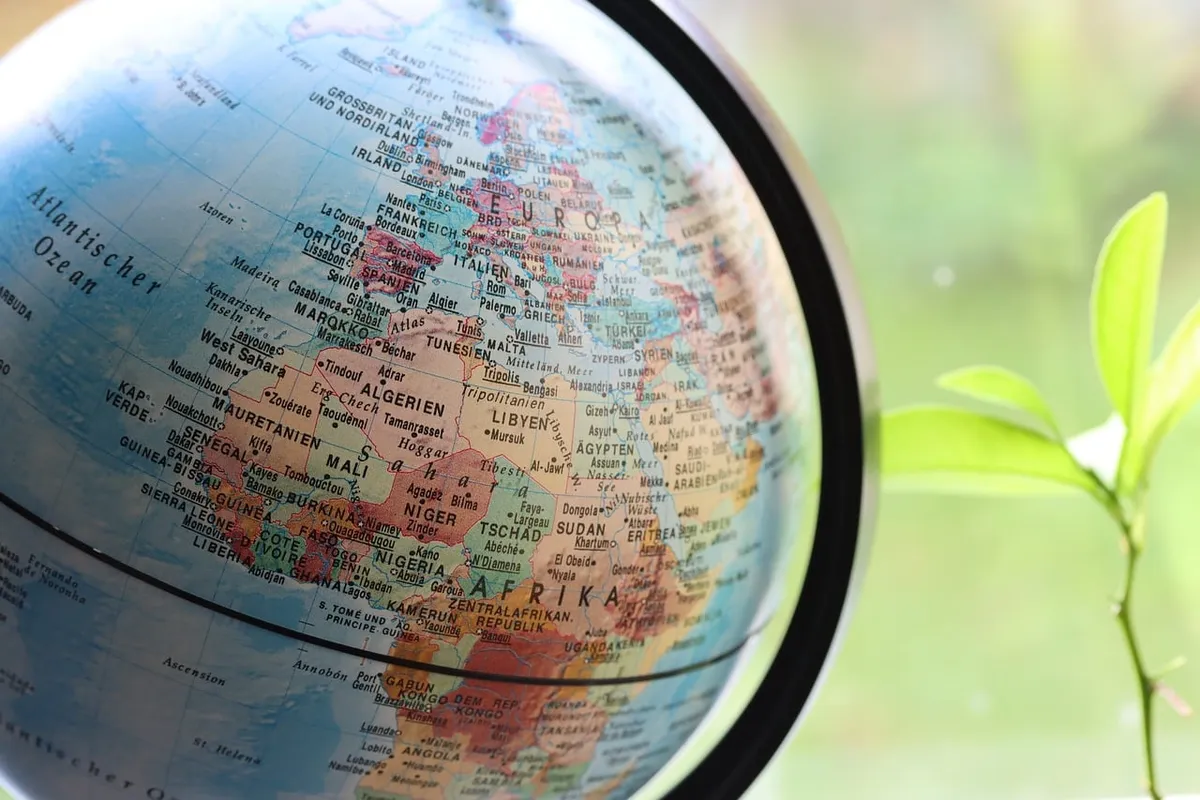
I remember watching a documentary about how digital platforms became the primary way fans interact with artists. It highlighted how the community acts as a decentralized marketing agency.
A limitation of analyzing these trends is that specific regional data may vary based on local economic conditions and cultural nuances.
- How does the K-POP fandom global power manifest in economic reality?
- What drives the fandom global growth across different regions?
- How does K-POP influence expand into other artistic fields?
The same subject is also called K-POP fan influence.
The same subject is also called fandom's world reach.
This part also covers how fandom boosts K-POP.
This part also covers global fan network impact.
This part also covers fandom driving world status.
how fandom boosts K-POP
Related






Comments 0